Introduction to Treetop Walkways
Picture yourself walking high above the forest floor, surrounded by the rustling leaves and the songs of birds. Treetop walkways offer a unique opportunity to experience nature from an elevated perspective, providing unparalleled views and a sense of adventure. As interest in eco-tourism and outdoor activities continues to grow, treetop walkways have become increasingly popular destinations for nature enthusiasts, families, and eco-conscious travellers alike. For a detailed guide on these unique attractions, Treetop Walkway serves as an excellent resource to explore various treetop experiences.
What is a Treetop Walkway?
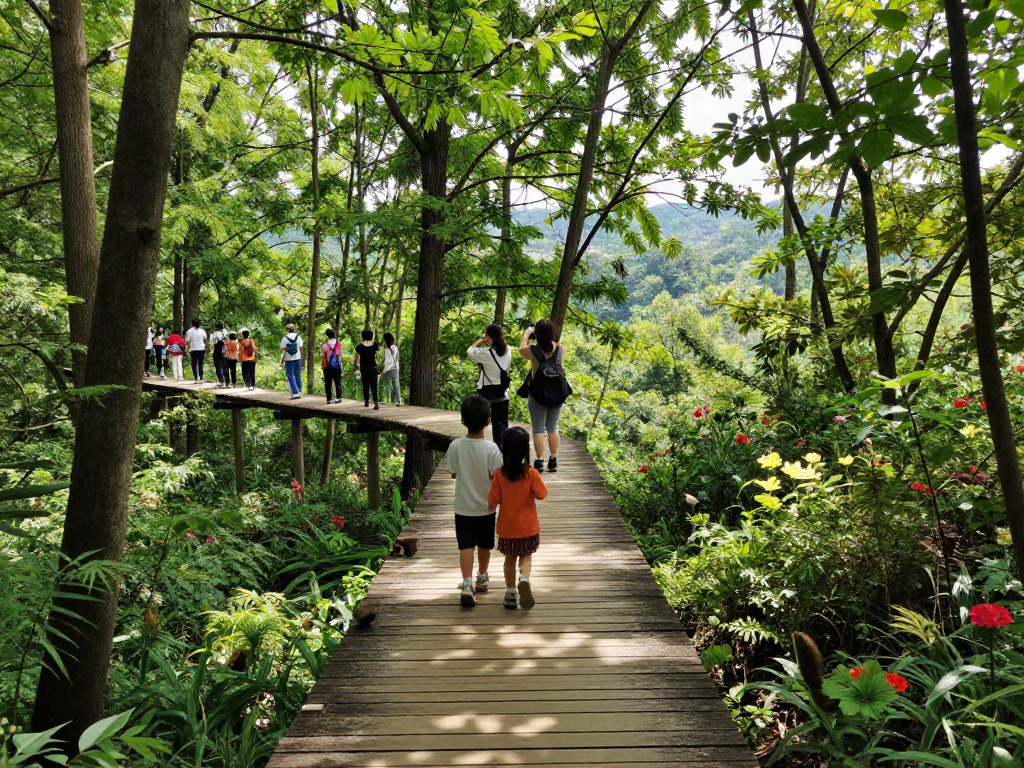
A treetop walkway, also known as a canopy walk, is an elevated path that allows visitors to traverse through the forest canopy. These structures are typically suspended between trees at varying heights, often providing a vantage point that showcases the intricate ecosystems above the ground. With lengths that can stretch hundreds of metres, treetop walkways are designed not just for access but for adventure, often incorporating viewing platforms, educational signage, and even interactive elements that engage visitors with their surroundings.
Benefits of Visiting Treetop Walkways
Visiting a treetop walkway comes with a plethora of benefits:
- Unique Perspectives: Treetop walkways offer a vantage point that ground-level walking simply cannot match. Visitors can take in breathtaking views of the forest and beyond.
- Wildlife Observation: Being elevated allows for closer encounters with birds and other wildlife that inhabit the trees, making it a prime spot for nature photography.
- Physical Activity: Walking along these structures provides gentle exercise, and the exhilaration of heights can be quite thrilling.
- Educational Opportunities: Many treetop walkways come with interpretative signs that teach visitors about local flora and fauna, ecology, and conservation.
- Mindfulness and Relaxation: Surrounded by nature at such heights encourages a sense of peace and mindfulness.
Choosing the Right Treetop Walkway
When selecting a treetop walkway, consider the following:
- Location: Choose a walkway that is conveniently located near your travel route or accommodation.
- Accessibility: Ensure that the walkway is suitable for all members of your group, including those with mobility challenges.
- Length and Difficulty: Some treetop walkways can vary significantly in length and difficulty; choose one that matches your fitness levels and the time you have available.
- Facilities: Check for amenities such as restrooms, food options, and parking to enhance your visit.
- Visitor Reviews: Look at online reviews to gauge the experiences of others who have walked the walkway.
Planning Your Visit to Treetop Walkways
Best Times to Visit Treetop Walkways
Timing can significantly enhance your experience at a treetop walkway. Generally, early morning or late afternoon is ideal for avoiding crowds and enjoying the best light for photography. Additionally, visiting during the spring or autumn offers mild weather and stunning seasonal colours. Keep in mind any local wildlife migration patterns, as certain times of the year may yield more visible fauna.
Essential Gear for Your Treetop Adventure
To ensure a comfortable and enjoyable experience, pack the following essentials:
- Comfortable Shoes: Opt for sturdy walking shoes or hiking boots with good grip.
- Weather-Appropriate Clothing: Dress in layers so you can adjust to temperature changes; consider a light rain jacket if rain is forecasted.
- Water: Stay hydrated with a reusable water bottle.
- Camera: Capture the stunning views and wildlife with a camera or smartphone.
- Sunscreen and Insect Repellent: Protect yourself from sunburn and insect bites.
Accessibility Considerations for Treetop Walkways
Inclusivity is becoming a greater focus for many treetop walkways. Check the walkway’s website or contact visitor services to verify accessibility options, such as ramps, wide pathways, or sensory accommodations. This ensures that all visitors can fully engage with the wonders of the treetop environment.
What to Expect at Treetop Walkways
Safety Features of Treetop Walkways
Safety is paramount when it comes to treetop walkways. Most walkways are designed with robust safety measures, including:
- Guard Rails: High barriers to prevent falls and ensure visitor safety.
- Regular Inspections: Continuous maintenance and inspections are crucial for structural integrity.
- Emergency Protocols: Clear signage indicating emergency protocols and exits.
Attractions Near Treetop Walkways
Many treetop walkways are situated near additional attractions that can enhance your visit. Consider exploring nearby nature trails, education centres, or eco-tourism programmes that can broaden your understanding of the area’s ecology and conservation efforts. Some locations may even offer guided tours to enrich your adventure.
Wildlife Encounters on the Treetop Walkway
One of the most exciting aspects of a treetop walkway is the potential for wildlife encounters. From colourful birds to curious insects, the walkway provides a unique habitat for various species. Be on the lookout for:
- Birds: Many species can be observed nesting or feeding among the trees.
- Squirrels and Monkeys: Depending on the location, you may spot various mammals that inhabit the canopy.
- Insects: Butterflies and other pollinators offer a glimpse into the ecosystem's complexity.
Enhancing Your Treetop Experience
Photography Tips for Treetop Walkway Visits
When capturing your treetop adventure, keep these tips in mind:
- Use Natural Light: Early morning or late afternoon light creates dramatic shadows and enhances colours.
- Wide-Angle Lens: If possible, use a wide-angle lens to capture expansive views of the landscape.
- Focus on Details: Don't forget to take close-up shots of wildlife and plants at the treetop level.
Educational Opportunities at Treetop Walkways
Treetop walkways often integrate educational components to enhance visitor experience. Look for:
- Interpretive Signage: Information panels detailing local ecology, plant species, and wildlife.
- Guided Tours: Some locations offer guided tours led by knowledgeable staff, enriching the learning experience.
- Workshops and Events: Check for any educational workshops focusing on conservation or ecology.
Eco-Friendly Practices for Treetop Walkway Visitors
Respecting the environment during your visit is crucial. Consider adopting these eco-friendly practices:
- Leave No Trace: Carry out all waste, including food wrappers and litter.
- Stay on Designated Paths: Walking on established paths helps protect fragile ecosystems.
- Educate Others: Share your knowledge and enthusiasm for conservation with fellow visitors.
Future Trends in Treetop Walkways
Innovations in Treetop Walkway Designs
As demand for eco-tourism continues to rise, so too do innovations in treetop walkway designs. Future projects may incorporate advanced materials that blend with natural surroundings, offering even more immersive experiences. Expect to see features such as:
- Interactive Exhibits: Touchscreens and augmented reality experiences may enhance educational components.
- Eco-Friendly Materials: Sustainable building materials that reduce environmental impact during construction.
Sustainability Practices in Treetop Walkway Development
Many upcoming treetop walkway projects are focusing on sustainable practices, from construction to ongoing operations. This includes:
- Local Sourcing of Materials: Using materials sourced from the local area to minimise transportation emissions.
- Integrating Renewable Energy: Solar panels may be used to power educational displays and lighting systems.
Anticipated Treetop Walkway Projects by 2026
New treetop walkway projects are in the pipeline for various locations worldwide. As these innovations unfold, they promise to enhance visitor interaction with nature while prioritising conservation efforts. Keep an eye out for exciting developments as local communities embrace the benefits of eco-tourism!
What should I wear for a Treetop Walkway?
Comfortable clothing suited for outdoor activity is best. Layering is advisable to adjust to temperature changes, and always wear sturdy shoes for grip and support.
Are Treetop Walkways safe for children?
Most treetop walkways are designed to be family-friendly, with safety features in place such as guard rails and supervised areas. Always assess age recommendations and safety guidelines before visiting.
What wildlife might I see on a Treetop Walkway?
Expect to see a variety of wildlife, including birds, insects, and possibly small mammals. Each location will host its unique species, so research beforehand can help you know what to look out for.
How long do Treetop Walkways typically take to walk?
The time taken to walk a treetop walkway can vary based on length and how often you stop to appreciate the view. Typically, allow 30 minutes to 2 hours for your visit.
Are Treetop Walkways accessible for people with disabilities?
Accessibility varies by location, so always check with the specific walkway you plan to visit to ensure it caters to all mobility needs.