Understanding the Role of a Pond Specialist
A pond specialist is an expert in the management and maintenance of aquatic environments, playing a crucial role in ensuring that ponds, water gardens, and other water features thrive. With a blend of horticultural knowledge, aquatic biology, and technical skills, they address various aspects of pond care, from water quality to plant selection. Today, homeowners and businesses are increasingly turning to these professionals for assistance in creating and maintaining beautiful, balanced ecosystems that enhance both aesthetics and biodiversity.
When exploring options, pond specialist provide comprehensive insights into the best practices for maintaining these treasured outdoor features.
What Does a Pond Specialist Do?
The role of a pond specialist encompasses a wide range of responsibilities designed to maintain and enhance aquatic environments. They are involved in:
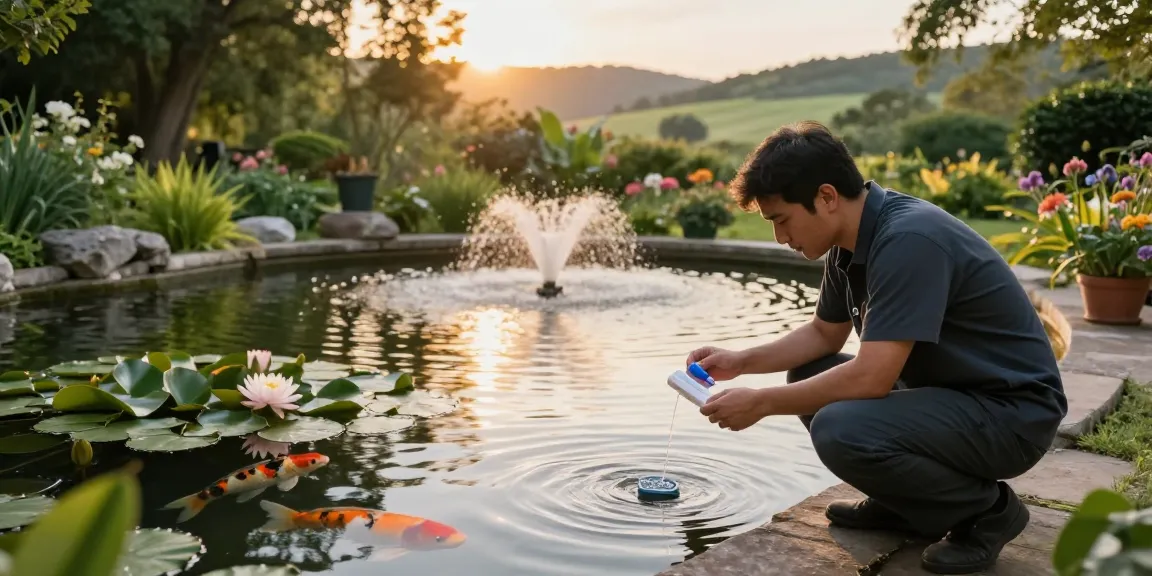
- Water Quality Management: Regular testing and monitoring of water parameters such as pH, ammonia, and nitrate levels, ensuring balanced and healthy water for aquatic life.
- Pond Design and Installation: Collaborating with clients to design aesthetic and functional ponds that integrate seamlessly into the landscape.
- Plant and Fish Selection: Advising on the right aquatic plants and fish species suitable for specific pond environments.
- Pond Maintenance: Performing seasonal maintenance tasks, including filtration system checks, algae control, and debris removal.
Key Skills Required for a Pond Specialist
A successful pond specialist should possess a diverse skill set, including:
- Technical Knowledge: Understanding the mechanics behind pond equipment and the biology of aquatic ecosystems.
- Problem-Solving Skills: Ability to troubleshoot issues such as algae blooms, murky water, and fish health problems.
- Customer Service: Effectively communicating with clients about their needs, concerns, and the processes involved in maintaining their ponds.
- Attention to Detail: Monitoring water quality and plant health requires meticulous observation and care.
Benefits of Hiring a Pond Specialist
Enlisting the help of a pond specialist can yield several advantages:
- Expert Guidance: Professionals have the experience and knowledge to make informed decisions about pond design and maintenance.
- Time Savings: Hiring a specialist frees up valuable time for homeowners, allowing them to enjoy their pond without the stress of upkeep.
- Enhanced Aesthetics: Professionals bring a creative touch to pond design, ensuring it complements the surrounding landscape.
- Long-Term Health of the Pond: Regular maintenance from a specialist can prevent costly repairs and ensure the ecosystem remains vibrant and healthy.
Common Challenges Faced by Pond Specialists
Pond specialists frequently encounter a variety of challenges that can affect the health and aesthetics of ponds:
Identifying Water Quality Issues
Water quality is critical for the overall health of a pond. Specialists must routinely test for various parameters, such as:
- pH Levels: Extreme pH can harm fish and aquatic plants.
- Oxygen Levels: Low levels can lead to fish kills and poor water quality.
- Turbidity: Cloudy water can indicate excessive algae or sediment issues.
Dealing with Algae Growth and Muck
Algae, while a natural part of pond ecosystems, can grow excessively and create problems. Specialists need to:
- Implement preventative measures, such as installing proper filtration systems and maintaining healthy plant life.
- Apply environmentally safe algaecides when necessary to keep algae levels in check.
Maintaining Equipment and Tools
Pond equipment like pumps, filters, and aerators require regular maintenance to function effectively. Specialists must:
- Inspect and clean equipment to prevent failures.
- Replace worn-out parts to ensure optimal performance.
Best Practices for Pond Maintenance
To maintain healthy ponds, specialists recommend several best practices:
Seasonal Care and Maintenance Tips
Different seasons bring unique challenges and tasks for pond care. For example:
- Spring: Clear debris, treat for algae, and check filtration systems.
- Summer: Monitor water levels and quality, and maintain aquatic plants.
- Autumn: Prepare for winter by removing dead foliage and winterizing equipment.
- Winter: Maintain ice-free areas for fish and ensure aeration.
Best Water Plants for Your Pond
Choosing the right plants is essential for a balanced ecosystem. Recommended plants include:
- Lilies: Provide shade and habitat for fish.
- Water Hyacinth: Filters nutrients and provides cover.
- Aquatic Grasses: Stabilize pond edges and improve aesthetics.
Effective Filtration and Pump Systems
Maintaining clear water depends on effective filtration and aeration. Specialists often recommend:
- Submersible Pumps: Ensure adequate water movement and oxygenation.
- Biological Filters: Promote beneficial bacteria that break down waste.
- Surface Skimmers: Remove debris before it sinks, keeping the pond cleaner.
Real-World Applications of Professional Pond Care
The impact of professional pond care can be seen in various successful projects that highlight best practices in action:
Case Studies: Successful Pond Projects
Documented case studies reveal how pond specialists can transform landscapes. For instance:
- A community park in Cincinnati implemented a restoration project for its aging pond, resulting in improved biodiversity and enhanced recreation space.
- A local business partnered with a pond specialist to create an attractive water feature, increasing foot traffic and customer engagement.
Expert Testimonials and Insights
Many pond specialists share their experience and knowledge through testimonials. These insights often emphasize:
- The importance of regular maintenance for preventing larger issues.
- Innovative techniques for managing water quality in urban environments.
Measuring the Success of Your Pond
Evaluating the success of pond projects involves assessing various metrics, such as:
- Water Quality: Consistently balanced parameters indicate a healthy ecosystem.
- Biodiversity: A diverse array of plant and animal life signifies a thriving pond.
Future Trends in Pond Care by 2026
The pond care industry is evolving, with several key trends emerging for the future:
Emerging Technologies in Pond Maintenance
New technologies are enhancing pond management techniques:
- Automated Monitoring Systems: Allow real-time tracking of water quality metrics.
- Advanced Filtration Options: Incorporate new materials that improve efficiency and sustainability.
Environmental Considerations for Pond Specialists
With growing awareness of environmental impacts, pond specialists are adopting eco-friendly practices, such as:
- Using native plant species to promote local biodiversity.
- Implementing water conservation techniques, such as rainwater harvesting.
Predicted Industry Changes and Standards
The future also includes potential shifts in industry standards regarding:
- Regulatory frameworks that prioritize sustainable practices.
- Increased certifications for pond specialists to validate their expertise and eco-friendly methods.
What Are the Costs Associated with Hiring a Pond Specialist?
Understanding the costs of hiring a pond specialist can help in planning and budgeting:
- Annual maintenance typically ranges from $810 to $2,625, depending on the pond size and condition.
- Initial design and installation can vary widely based on project complexity.
How Can You Ensure Quality in Pond Construction?
To ensure quality, clients should look for specialists who:
- Provide detailed project proposals and timelines.
- Offer warranties or guarantees on their work.
What Equipment Do Pond Specialists Recommend?
Pond specialists often advise on essential equipment to include:. Additionally, pond specialist provides further details.
- High-efficiency pumps for proper circulation.
- Quality filters that are appropriate for the pond size and fish species.