Understanding Sliding Shower Screens
What are Sliding Shower Screens?
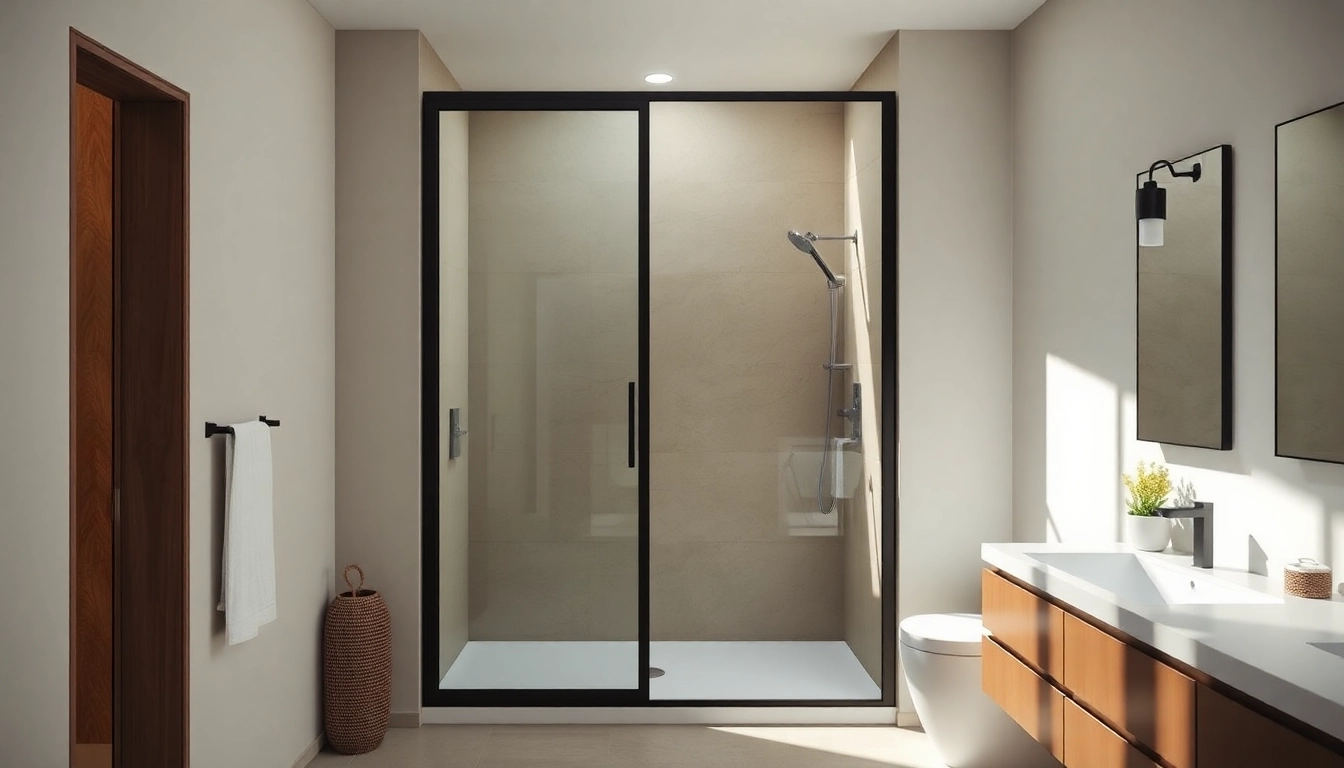
Sliding shower screens are contemporary, stylish additions to modern bathrooms, allowing for easy access while maximizing space. Unlike traditional hinged doors, which require clearance to swing open, sliding shower screens operate on a track system, sliding smoothly to one side. They are crafted from glass or acrylic, providing a seamless, open feel in the bathing area. Their versatility makes them an appealing choice for any bathroom design, whether small or expansive.
Benefits of Sliding Shower Screens
The primary advantage of sliding shower screens is their ability to save space. In cramped bathrooms, every inch counts, and these doors slide along a track, eliminating the need for additional space that hinged doors would require. Beyond spatial efficiency, sliding screens also offer a minimalist aesthetic, which can enhance the look of your bathroom. They are also typically easier to clean, as fewer hardware pieces mean fewer crevices for dirt and grime to accumulate. Furthermore, the availability of various styles and finishes allows for customization to match bathroom decor.
Different Styles of Sliding Shower Screens
There are several styles of sliding shower screens, including framed, semi-frameless, and frameless designs.
- Framed Sliding Shower Screens: These screens feature a metal frame that encases the glass, providing increased durability and rigidity.
- Semi-Frameless Sliding Shower Screens: Combining elements of both framed and frameless designs, these screens feature minimal framing to allow for more glass surface area.
- Frameless Sliding Shower Screens: Utilizing thicker glass, frameless designs create a sleek appearance with less metal, enhancing the feeling of space.
Choosing the right style will depend on personal preferences, the aesthetic of the bathroom, and maintenance considerations.
Choosing the Right Sliding Shower Screens
Assessing Your Bathroom Space
When selecting sliding shower screens, assessing the bathroom space is crucial. Measure the dimensions of the area where the screen will be installed, ensuring that there is enough room for the screen to slide without obstruction. Consider factors like nearby toilets, sinks, or cabinets. For small bathrooms, a single sliding door might be more appropriate, whereas larger bathrooms may accommodate double doors for a more luxurious feel. Additionally, think about the height of the screen; taller screens can create a sense of elegance while also preventing splashes.
Material Options for Sliding Shower Screens
The materials used to construct sliding shower screens significantly impact their functionality and aesthetics.
- Tempered Glass: Tempered glass is a popular choice for its safety features, as it shatters into small, less dangerous pieces.
- Acrylic: Lightweight and less costly, acrylic options offer versatility but can scratch more easily than glass.
- Framed Options: Metal frames can be composed of aluminum or steel, affecting durability and design.
The choice of material will affect durability, maintenance, and the overall appearance of the shower space.
Frame vs. Frameless Sliding Shower Screens
The debate between framed and frameless sliding shower screens often revolves around aesthetics versus practicality.
- Framed Screens: These provide more stability and support but can seem bulkier and may not fit the minimalist appeal many homeowners desire.
- Frameless Screens: They offer a sleek, modern look that can make a bathroom feel larger. However, they can be more susceptible to damage and may require careful handling during installation.
Ultimately, the choice boils down to the bathroom’s style and the homeowner’s functional requirements.
Installation Process for Sliding Shower Screens
Preparing Your Bathroom for Installation
Preparing for the installation of sliding shower screens involves several steps. First, you should clear the area of any furniture, towels, or fixtures that could obstruct the process. Next, ensure the wall is level and adequately supported. If you have existing shower doors, they must be removed, and any old tracks or mounting hardware should be taken down. This ensures you have a clean slate for the installation of your new sliding shower screens.
Step-by-Step Sliding Shower Screens Installation
The installation of sliding shower screens generally follows these steps:
- Measure and Mark: Use precise measurements to mark where the tracks will be installed.
- Install the Bottom Track: Secure the bottom track using screws, ensuring it is level.
- Install the Top Track: Follow a similar process for the top track, ensuring that it aligns correctly with the bottom track.
- Hang the Glass Panels: Carefully place the glass panels into the tracks, making sure they slide smoothly.
- Seal Edges: Apply a waterproof sealant to prevent water leakage and enhance durability.
This guide serves as a basic overview, and careful attention to detail can ensure the longevity and functionality of your shower screens.
Hiring Professionals vs. DIY Installation
While DIY installation may save costs, hiring professionals often leads to a more reliable outcome. Professionals possess the experience and tools necessary for a perfect fit and can handle potential issues that may arise during installation. If you opt for a DIY approach, ensure you have the right tools and follow every step of the installation process meticulously. Weighing costs against potential risks can help in making the best choice for your situation.
Maintenance Tips for Sliding Shower Screens
Cleaning Your Sliding Shower Screens
To keep your sliding shower screens in pristine condition, regular cleaning is essential. Use a non-abrasive glass cleaner and a soft cloth or sponge to wipe down the glass surfaces regularly. Avoid using harsh chemicals or materials that can scratch the glass. Pay special attention to the tracks by removing any debris or soap buildup that could impede the door’s operation. A monthly deep clean can help maintain clarity and ease of use.
Common Issues with Sliding Shower Screens
Several common issues can arise with sliding shower screens, including:
- Hinging Problems: If the doors don’t slide smoothly, check the tracks for debris or misalignment.
- Water Leakage: Ensure there’s proper sealing around the edges and repair any damaged seals.
- Scratches or Stains: Address these as soon as possible by following proper cleaning procedures to avoid costly replacements.
Regular inspections can help catch these problems early before they become significant concerns.
When to Replace Your Sliding Shower Screens
Signs that it may be time to replace your sliding shower screens include persistent leaks, significant damage to the glass, or operational issues that cannot be resolved through maintenance. If the door no longer aligns with the tracks or you find it increasingly difficult to slide the panels, these are indicators that the screens may have outlived their usefulness. Upgrading can enhance both the functionality and aesthetic of your bathroom.
FAQs about Sliding Shower Screens
Are sliding shower screens good?
Yes, sliding shower screens optimize bathroom space, making them ideal for smaller areas since they don’t require additional clearance like traditional doors.
How much do sliding shower screens typically cost?
Sliding shower screens generally range from $700 to $2,000, depending on the material, size, and design options selected.
Do sliding shower screens require special maintenance?
Regular cleaning with non-abrasive cleaners is sufficient to maintain sliding shower screens, keeping them looking great and functioning properly.
Can I install sliding shower screens myself?
While DIY installation is possible, it is recommended to hire professionals to ensure a correct fit and avoid complications during assembly.
What styles of sliding shower screens are available?
Styles of sliding shower screens include framed, semi-frameless, and frameless designs, allowing for various aesthetics and functional benefits.