Understanding Body Fat: Importance and Health Implications
What is Body Fat Percentage?
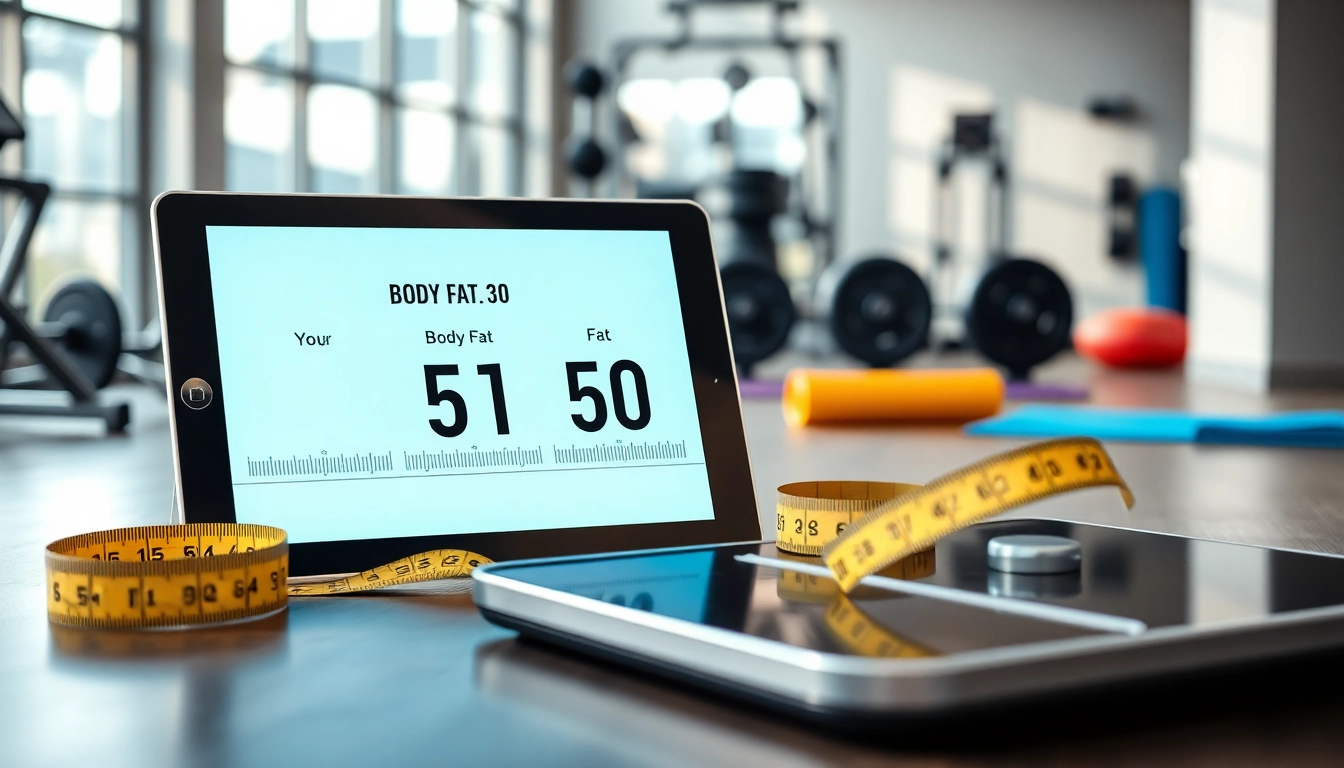
Body fat percentage is a critical measure that indicates the proportion of fat in a person's body compared to their total weight. It is expressed as a percentage, representing how much of a person's weight comes from fat tissue versus lean body mass, which includes muscles, bones, and water. For instance, a person weighing 200 pounds with a body fat percentage of 20% has 40 pounds of fat and 160 pounds of lean body mass. This metric is crucial for assessing body composition because weight alone does not accurately reflect health status. A body fat percentage calculator can provide insights into your overall fitness and health, guiding you on whether you are within a healthy range.
Why Monitor Your Body Fat Percentage?
Monitoring body fat percentage is key to understanding your body’s composition and health. Unlike body weight alone, body fat percentage provides a clearer picture of your fitness level and health risks. Maintaining an appropriate body fat percentage can aid in:
- Preventing Health Issues: High body fat is associated with various health issues, including heart disease, diabetes, and certain cancers.
- Enhancing Athletic Performance: Athletes often aim for a specific body fat percentage to optimize performance while maintaining strength and endurance.
- Providing Motivation: Utilizing a body fat percentage calculator can be motivating, offering a tangible measure of progress towards fitness goals.
- Personalized Nutrition and Fitness Plans: Understanding body fat can help customize diet and exercise plans tailored to individual needs.
Health Risks Associated with High Body Fat
A high body fat percentage can lead to several significant health risks:
- Cardiovascular Disease: Excess body fat, especially around the abdomen, increases the risk of heart diseases like hypertension and atherosclerosis.
- Diabetes: High body fat is a major contributor to insulin resistance, which can result in type 2 diabetes.
- Sleep Apnea: Increased body fat can lead to sleep apnea, a disorder characterized by interruptions in breathing during sleep.
- Joint Problems: Extra weight puts additional stress on joints, increasing the risk of arthritis and other musculoskeletal issues.
For these reasons, regularly monitoring your body fat percentage is a proactive step toward maintaining overall health.
How to Use a Body Fat Percentage Calculator Effectively
Essential Measurements for Calculation
To accurately calculate your body fat percentage, specific measurements are typically required. Depending on the method being used, you may need:
- Weight: Your total body weight is essential in determining body composition.
- Height: Height plays a crucial role in calculating body mass index (BMI), which is often part of body fat estimation equations.
- Measurements of Key Areas: Measurements at the waist, hips, neck, and sometimes limbs (like arms and legs) can be needed, depending on the calculator.
- Age and Gender: These personal factors are integral, as they influence body fat distribution and are considered in many calculation equations.
Step-by-Step Guide to Using the Body Fat Percentage Calculator
When you're ready to get your body fat percentage:
- Gather Your Data: Compile the necessary measurements, including weight, height, and any circumferences needed.
- Select a Calculator: Use a reliable body fat percentage calculator online.
- Input Your Data: Enter the required information based on what the calculator asks for.
- Calculate: Execute the calculation to receive your body fat percentage.
- Record and Monitor: Keep a log of your results over time to track changes in your body composition.
Interpreting Your Results
Once you obtain your body fat percentage, interpreting the results is pivotal. Here is a general guideline on healthy body fat percentage ranges:
- Adult Men: Healthy range is typically between 10% to 20%.
- Adult Women: Healthy range is usually between 18% to 28%.
Keep in mind that these ranges may vary based on age, fitness level, and other personal factors. Importantly, as you continue to track your body fat percentage, focus is better placed on trends over time rather than one-off readings.
Common Methods for Measuring Body Fat Percentage
Skinfold Calipers
Skinfold calipers are a popular method for estimating body fat percentage. This technique involves pinching the skinfold at various sites around the body (such as the triceps, abdomen, and thighs) to measure the fat layer beneath the skin. These measurements are then applied to specific formulas to estimate total body fat percentage. While practical and cost-effective, skinfold measurements rely heavily on the skill of the person taking the measurements.
Bioelectrical Impedance Analysis (BIA)
BIA is a non-invasive method that estimates body fat by sending a low-level electrical current through the body. The resistance to the current helps determine body composition—fat conducts less electricity than lean muscle. BIA devices range from handheld devices to body composition scales. While convenient, results can be influenced by factors such as hydration levels and time of day.
Hydrostatic Weighing
Hydrostatic weighing is considered one of the more accurate methods for measuring body fat percentage. This technique involves submerging the individual in water and measuring body density. Since fat is less dense than water, a higher percentage of body fat will result in a lower weight underwater. Although precise, hydrostatic weighing requires specialized equipment and is less accessible for everyday use.
Factors Influencing Body Fat Percentage
Role of Age and Gender
Age and gender significantly impact body fat distribution and percentage. As individuals age, metabolism tends to slow down, and hormonal changes can lead to increased fat accumulation. For example, women generally carry more body fat than men due to biological factors related to reproduction. Understanding these differences is vital for setting realistic body fat percentage goals.
Impact of Diet on Body Fat
Your dietary choices play a crucial role in body fat maintenance or reduction. The number of calories consumed versus the calories burned through activity ultimately influences body fat levels. A diet high in processed foods, sugars, and unhealthy fats can contribute to an increase in body fat, whereas a balanced diet rich in whole foods, lean proteins, and healthy fats promotes a healthier body composition.
Exercise and Muscle Mass Considerations
Regular exercise is fundamental to managing body fat percentage. Engaging in both aerobic and strength-training exercises helps build muscle mass, which in turn can aid in increasing metabolic rate and reducing body fat. Understanding how different forms of exercise affect body composition can help individuals tailor their fitness plans to achieve desired body fat levels effectively.
Setting Goals Based on Your Body Fat Percentage
How to Set Realistic Body Fat Goals
Setting realistic body fat goals begins with identifying your current body fat percentage and understanding healthy ranges for your gender and age group. Consider the following steps when setting your goals:
- Assess Your Starting Point: Use a body fat percentage calculator to get a baseline measure.
- Define Your Goals: Based on your current percentage, decide on a realistic goal that aligns with health and fitness objectives.
- Create a Timeline: Establish a reasonable timeframe to reach your goals, keeping in mind that gradual changes are more sustainable.
- Stay Flexible: Be ready to adjust goals based on progress and feedback from your body.
Creating a Balanced Nutrition Plan
A balanced nutrition plan is integral to achieving and maintaining your body fat percentage goals. Focus on whole foods that provide essential nutrients without unnecessary calories. Incorporating lean protein, whole grains, fruits, and vegetables will support fat loss while promoting overall health. Additionally, monitor your macro and micronutrient intake to ensure a well-rounded diet that supports your exercise routine.
Developing an Effective Exercise Routine
Crafting a comprehensive exercise routine that combines cardiovascular activities with strength training can significantly influence body fat percentage. Aim for at least 150 minutes of moderate aerobic activity each week, complemented by two days of strength training that targets all major muscle groups. Consistency is key, along with incorporating rest and recovery to avoid burnout and injury.
Regular monitoring of your body fat percentage and adherence to your fitness and nutrition goals can greatly enhance your overall health. By leveraging a body fat percentage calculator and staying informed about effective strategies, you can maintain a healthy body composition and improve your quality of life.