
Understanding the Benefits of a Black Screen Image
In today's fast-paced digital world, the importance of minimizing distractions and enhancing focus cannot be overstated. One innovative solution that has gained traction is the use of a black screen image. This tool not only aids in visually decluttering your workspace but also offers a myriad of health and efficiency benefits that can enhance both productivity and comfort. This article delves into the multifaceted advantages of black screen images, ranging from eye relaxation to energy savings.
How Black Screen Images Improve Eye Comfort
Eye strain is a common complaint among those who spend extended hours in front of screens. Bright backgrounds can exacerbate this issue, leading to discomfort and fatigue. Using a black screen image can significantly reduce glare and harsh light emissions, providing a more soothing environment for the eyes. The darker interface diminishes the blue light exposure that is particularly detrimental in dim settings, allowing for improved visual comfort. Furthermore, studies have indicated that dark mode settings, like black screens, can lower the stress on ocular muscles, making your viewing experience less taxing over time.
Energy Savings with Black Screen Settings
In recent years, energy efficiency has become a primary concern for both individuals and organizations. Employing black screen images can contribute to significant energy savings, particularly with OLED and AMOLED screens, where pixels that display black consume less power. This energy-efficient approach not only benefits personal devices but can also play a role in organizational sustainability efforts, reducing overall carbon footprints. By adopting black screen settings, users can help mitigate energy costs while promoting a more environmentally friendly workspace.
Applications for Gaming and Professional Use
The versatility of black screen images extends to various fields, including gaming and professional settings. For gamers, utilizing a black screen during loading screens or cinematic sequences can create an immersive experience without distractions. Similarly, professionals working from home can benefit by deploying black screens to eliminate clutter and focus on critical tasks. In design and creative environments, the black screen can serve as a backdrop for contrasting color work, enhancing focus and attention to detail.
How to Effectively Use a Black Screen Image
Utilizing a black screen image effectively requires a few straightforward steps to ensure you reap all the benefits it offers. Whether you want to create a calm workspace or test your display, understanding how to implement a black screen image is essential for optimizing your setup.
Setting Up Your Display with Black Screens
To set up a black screen on your devices, follow these simple steps:
- Open your web browser and navigate to a reliable black screen generator.
- Select the full-screen mode option for an uninterrupted view.
- Adjust your display settings, if necessary, to ensure optimal performance.
Once set, you can easily toggle the black screen on or off as needed, creating an effective buffer against distractions.
Combining Black Screen Images with Other Colors
For advanced users, combining black screens with other colors can provide additional benefits. For instance, switching between black and white screens can help test the brightness settings of your monitor or create specific atmospheres for different tasks. This technique can be particularly useful in design projects where contrasting visuals are essential.
Using Black Screens for Multiple Monitors
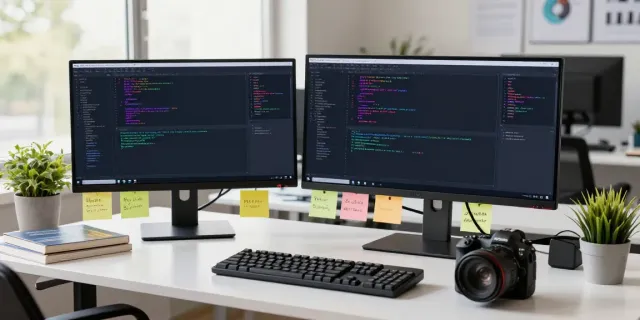
In setups with multiple monitors, implementing black screen images can be an efficient means to manage focus. You can easily open the black screen tool in a separate tab and drag it onto any monitor you wish to darken, helping to eliminate distractions from peripheral screens. This approach not only fosters a better working environment but also conserves energy across all devices.
Common Misconceptions About Black Screen Images
Despite the advantages, there are several misconceptions surrounding the use of black screens that merit discussion. Understanding these myths is crucial for users to maximize their experience.
Do Black Screens Truly Save Energy?
Many users wonder if employing a black screen really translates to energy savings. The answer is a resounding yes, particularly concerning modern screen technology. In devices with OLED displays, black pixels do not emit light, thereby significantly reducing energy consumption compared to brighter pixels. This feature can lead to noticeable savings over time, particularly for heavy users.
Are Black Screen Images Bad for Eye Health?
Another common concern is whether black screens might harm eye health. On the contrary, black screens can be beneficial for your eyes, especially in low-light environments. They reduce glare and can help combat the fatigue associated with high-brightness screens, making them a preferable choice for late-night use or when working in dimly lit rooms.
Debunking Myths Around Black Screens in Gaming
In the gaming community, some players believe that using a black screen can impair performance or visibility. This notion is far from true; black screens can actually enhance focus and immersion during gameplay by eliminating visual distractions. Additionally, in situations where screen burn-in is a concern, such as with plasma displays, using a black screen can protect the integrity of the display.
Step-by-Step Guide to Implementing Black Screen Images
Implementing a black screen image is straightforward, but optimizing that setup for performance can take a bit of finesse. Here’s a step-by-step guide to effectively harnessing your black screen image.
Creating and Setting Your Own Black Screen
To create a personalized black screen:
- Choose a black image or create a custom black screen via an online tool.
- Ensure it is set to full screen for maximum effect.
- Consider adjusting the brightness settings of your monitors to further enhance visual comfort.
Testing the Effectiveness of Your Black Screen Setup
After setting up your black screen, it’s important to test its effectiveness:
- Check if the screen adequately reduces glare and enhances focus.
- Observe any changes in eye comfort during extended use.
- Test switching between black and other colors to assess the overall experience.
Adjusting Settings for Optimal Performance
Sometimes, minor adjustments can make a world of difference:
- Experiment with the contrast and brightness settings to find what works best for you.
- Toggle between different resolutions to see which provides the clearest black output.
- Consider using screen filters or software that can assist in managing your display settings.
Future Trends and Innovations in Black Screen Technology
As we look toward 2025, several trends and innovations are emerging in the realm of black screen technology. These advancements promise to enhance user experiences further and expand the applications of black screens.
Emerging Technologies for Eye Comfort in 2025
Future technologies are likely to improve eye comfort even more, potentially integrating artificial intelligence to automatically adjust brightness and contrast based on user behavior and surroundings. These innovations could make black screens more adaptive, creating a personalized viewing experience that caters to individual preferences and needs.
Predictions for Energy Efficiency Improvements
As awareness around energy consumption grows, technology will likely continue evolving to enhance energy efficiency further. Future devices with advanced OLED and microLED technology may lead to an even greater reduction in power usage when employing black screen images, contributing to a more sustainable future.
Potential Developments in Multi-Monitor Configurations
Looking ahead, advancements in multi-monitor setups are expected to enable more seamless integration of black screens, allowing users to toggle easily between monitors and efficiently manage their workspace. As remote work becomes increasingly prevalent, these developments will provide users with enhanced tools for maximizing productivity.