Understanding Double Girder Bridge Cranes
In the realm of industrial lifting solutions, the double girder bridge crane stands out as a robust and reliable choice. Utilizing two parallel girders, this type of crane is designed to support heavy loads with exceptional stability and efficiency. As industries demand increased productivity, understanding the functionality and components of double girder bridge cranes becomes essential for ensuring optimal performance in various applications.
Definition and Functionality of Double Girder Bridge Cranes
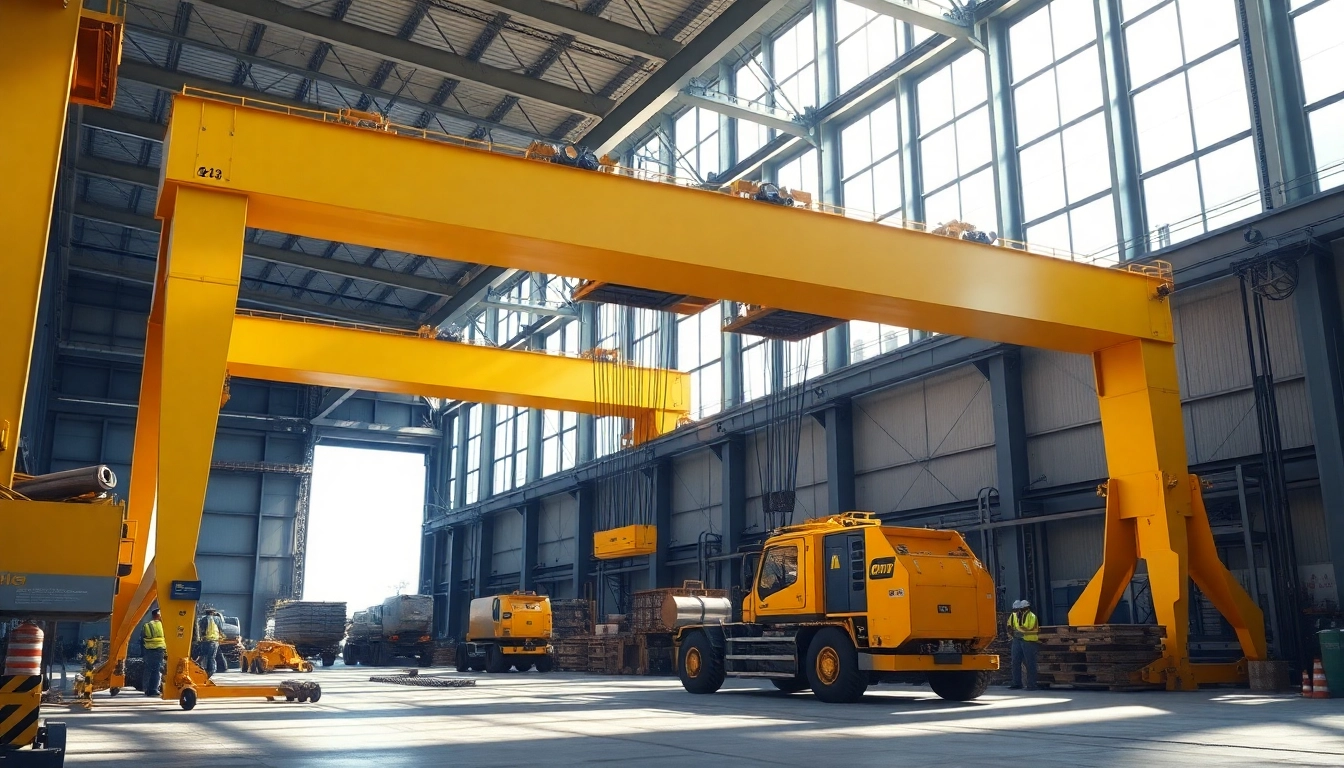
A double girder bridge crane is characterized by its dual girder configuration, which provides superior strength and support compared to single girder designs. This crane typically operates on overhead runways and features a hoist that travels between the two girders. The primary advantage of this configuration is the ability to lift heavier loads with greater height clearance, making it ideal for manufacturing, warehousing, and construction environments.
Key Components and Design Features
The components of a double girder bridge crane are meticulously designed to ensure safety and functionality. Key elements include:
- Main Girders: These are the two parallel beams that provide structural integrity.
- End Trucks: Mounted at each end of the girders, these facilitate movement along the runways.
- Hoist: This device is used to lift and lower loads and can come in various types, including electric and manual options.
- Trolley: Moves along the girders, allowing the hoist to traverse a wide area.
Comparative Analysis with Single Girder Cranes
While single girder cranes are beneficial for lighter loads, double girder cranes outperform them in several aspects:
- Load Capacity: Double girder cranes are designed to handle heavier weights, making them suitable for industrial applications requiring robust lifting capabilities.
- Height Advantage: The configuration allows for a higher hook height, which enables the lifting of tall equipment or materials.
- Stability: The structural design ensures reduced sway and improved load control.
Benefits of Using Double Girder Bridge Cranes
Enhanced Load Capacity and Stability
One of the most significant benefits of using double girder bridge cranes is their enhanced load capacity. These cranes can typically lift loads exceeding 10 tons with ease, providing a safe and efficient means of handling heavy materials in industrial settings. The stability offered by their design minimizes the risk of accidents, ensuring a safer working environment.
Versatility in Industrial Applications
Double girder bridge cranes are incredibly versatile and find applications across various industries, including:
- Manufacturing: Ideal for transporting heavy components and materials.
- Construction: Essential for lifting equipment and materials at job sites.
- Warehousing: Streamlining operations by efficiently moving inventory.
Safety and Ergonomics Benefits
Safety is paramount in industrial operations, and double girder bridge cranes inherently provide several ergonomic advantages. Their design allows for better load distribution, reducing strain on operators. Additionally, incorporating advanced technology such as remote operation systems enhances safety by allowing operators to control the crane from a distance.
Choosing the Right Double Girder Bridge Crane
Assessing Load Requirements and Span
When selecting a double girder bridge crane, it is vital to assess your specific load requirements and span. Factors like the weight of materials, the frequency of use, and the available space should drive your choice of model. A detailed analysis ensures that the selected crane meets the operational needs without compromising safety.
Understanding Operating Environment Considerations
The operating environment significantly influences crane selection. Considerations include:
- Indoor vs. Outdoor Use: Cranes designed for outdoor use often require additional features to withstand environmental factors.
- Space Constraints: Assess the height and width of operational areas to ensure compatibility.
- Electromagnetic Interference: In environments with heavy machinery, it’s crucial to select cranes with shielding against EM interference.
Selecting the Best Manufacturer and Model
Choosing a reputable manufacturer is crucial for ensuring the longevity and reliability of your double girder crane. Research the best models within the industry, reading reviews and comparing warranty options to make an informed choice. Consider manufacturers that prioritize quality components and have a track record of customer satisfaction.
Best Practices for Double Girder Bridge Crane Operation
Regular Maintenance and Inspection Techniques
To maintain safety and efficiency, regular maintenance and inspections are essential. Best practices include:
- Routine Checks: Daily inspections should include checking the hoist, trolley, and girders for signs of wear.
- Lubrication: Keeping moving parts well-lubricated reduces friction and prolongs the lifespan of components.
- Record Keeping: Maintain logs of maintenance activities to identify patterns that may indicate issues.
Training Workers for Safe Operation
Proper training is integral to the safe operation of double girder cranes. All operators should receive comprehensive training that covers:
- Operational Procedures: Detailed understanding of operating controls and procedures.
- Saracat Safety Practices: Knowledge of safe lifting and lowering techniques.
- Emergency Response: Training on how to respond to operational failures or accidents.
Adhering to Industry Standards and Regulations
Compliance with industry standards and regulations is critical for ensuring safety and legal compliance. Familiarize yourself with regulations set forth by organizations like OSHA and ASME, and implement protocols that reflect these guidelines in daily operations.
Future Trends in Double Girder Bridge Cranes
Advancements in Crane Technology for 2025
As technology evolves, so does the design and function of double girder bridge cranes. Innovations such as IoT integration for real-time monitoring and predictive maintenance are poised to revolutionize crane operation and efficiency. By 2025, expect greater automation and enhanced control systems that optimize workflows and reduce human error.
Sustainable Practices in Crane Manufacturing
With an increasing focus on sustainability, manufacturers are innovating to create eco-friendly cranes. This includes using recyclable materials and energy-efficient motors that reduce the overall environmental impact of crane operations. Anticipate a shift in industry standards towards greater sustainability in the coming years.
Predictions for Industry Developments and Innovations
Looking forward, the crane industry is likely to see advancements in smart technology and AI applications, streamlining operations and improving safety further. Advanced software solutions for load management will enhance efficiency while ensuring compliance with safety regulations. As these trends unfold, staying informed will be paramount for operators and managers alike.