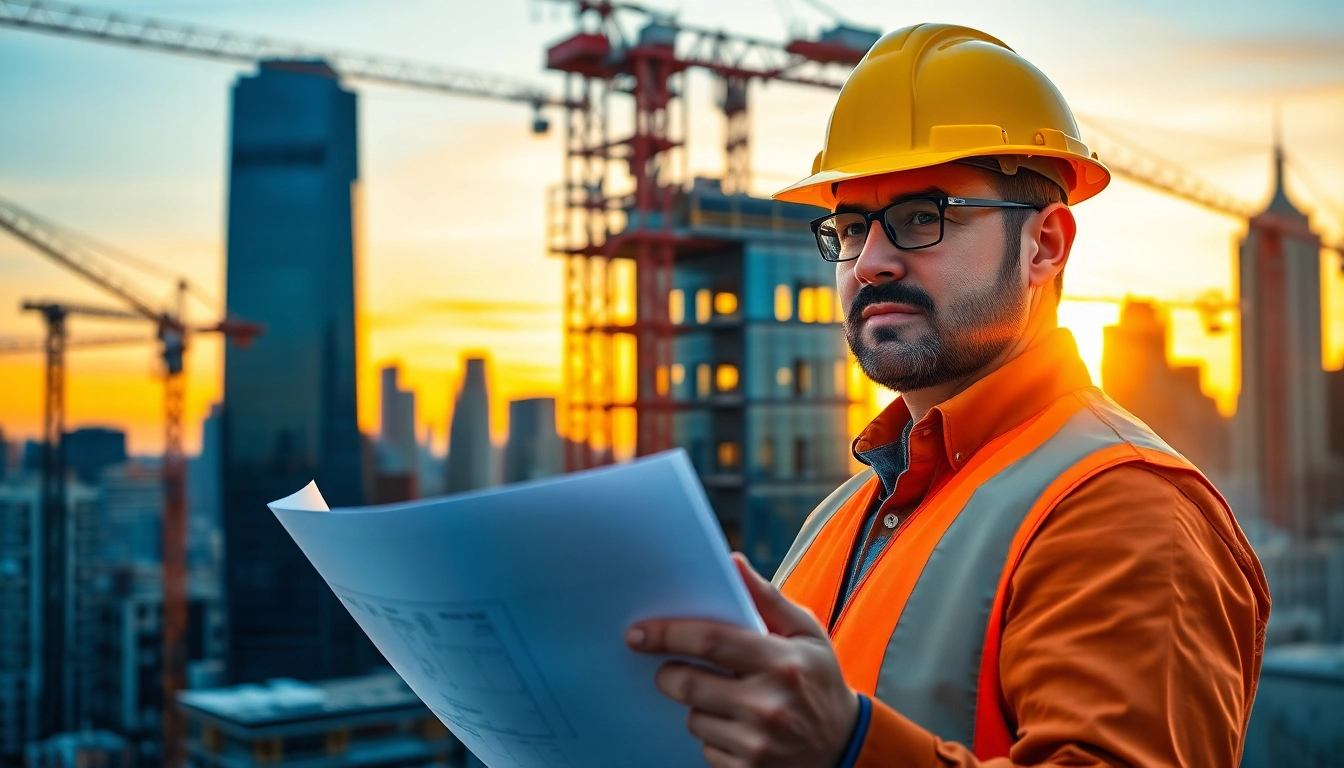
- Understanding the Manhattan Construction Manager Role
- Essential Responsibilities of a Manhattan Construction Manager
- Challenges Faced by Manhattan Construction Managers
- Best Practices for Capable Manhattan Construction Management
- Future Trends in Manhattan Construction Management
- Frequently Asked Questions
Understanding the Manhattan Construction Manager Role
The role of a Manhattan Construction Manager is pivotal in the complex landscape of urban construction projects. In a bustling city like Manhattan, where space is precious and regulations can be stringent, the need for skilled construction management is more crucial than ever. From residential high-rises to commercial buildings, the expertise of a construction manager can significantly influence the success of a project.
What Does a Manhattan Construction Manager Do?
The primary responsibility of a Manhattan Construction Manager rests in overseeing every facet of construction projects. This includes tasks such as planning, coordination, supervision, and execution. Their role extends from the pre-construction phase—where they conduct feasibility studies and budget planning—to the final inspections upon project completion. They are the linchpin connecting clients, contractors, architects, and laborers, ensuring that all teams work harmoniously towards a common goal.
Key Skills and Qualifications
A successful Manhattan Construction Manager possesses a robust combination of education and experience, typically including:
- A degree in construction management, engineering, architecture, or a related field.
- Experience in project management and team leadership.
- Strong analytical skills and attention to detail.
- Excellent communication skills for liaising between diverse groups.
- Proficiency in construction management software and tools.
These qualifications ensure that a manager can deftly handle the technical, financial, and interpersonal challenges inherent in urban construction projects.
The Importance of Project Management
Effective project management is the backbone of successful construction projects. It involves careful planning, resource management, risk assessment, and stakeholder management. A proficient Manhattan Construction Manager employs project management methodologies—such as Agile or Lean—to enhance efficiency and reduce waste. This ensures that the projects not only meet deadlines but also stay within budget, thus providing significant cost savings for stakeholders.
Essential Responsibilities of a Manhattan Construction Manager
Planning and Coordination
Planning is critical in construction management, encompassing everything from project scope design to scheduling. A Manhattan Construction Manager coordinates various phases of the project, ensuring that all timelines align. This includes orchestrating the procurement of materials, scheduling subcontractors, and navigating any permit applications or inspections required by the city. Effective coordination mitigates delays, keeping projects on track.
Budgeting and Cost Control
Budgeting is another essential responsibility that significantly impacts the project’s outcome. The construction manager is tasked with developing and managing the project’s budget. This entails calculating costs, securing financing, and ensuring that all financial resources are allocated correctly throughout the process. By closely monitoring expenditures, they can identify and address potential budget overruns before they become critical issues.
Compliance and Safety Regulations
In a city as regulated as Manhattan, compliance with local laws and safety regulations is non-negotiable. The construction manager ensures that all work adheres to zoning laws, building codes, and safety standards to protect workers and the public. This not only helps to avoid legal complications and future liabilities but also fosters a culture of safety among workers, decreasing the risk of accidents on the job site.
Challenges Faced by Manhattan Construction Managers
Managing Stakeholder Expectations
In a bustling metropolis like Manhattan, construction managers often face the challenge of managing the diverse expectations of stakeholders. These can include clients, local residents, government agencies, and construction teams. Skilled managers use regular communication and reporting to keep everyone informed and engaged throughout the project lifecycle, which helps in mitigating conflicts and building trust.
Overcoming Urban Logistics Issues
Urban logistics pose significant challenges due to traffic congestion, limited delivery hours, and restricted access to job sites. A Manhattan Construction Manager must develop creative logistics strategies, such as off-hour deliveries or staged material purchases, to ensure that construction activities proceed without disruption. This level of foresight and adaptability is crucial in city environments where efficiency is often tested.
Adapting to Regulations and Policies
The regulatory landscape in Manhattan is constantly evolving, and construction managers must stay abreast of changes that may affect their projects. They need to be proactive in understanding new city laws, sustainability requirements, and any shifts in zoning regulations. Regular training and networking with industry peers can enhance their knowledge and adaptability in this dynamic environment.
Best Practices for Capable Manhattan Construction Management
Effective Communication Strategies
Communication is paramount in construction management, where multiple parties must collaborate effectively. Managers should establish clear communication channels and utilize tools such as collaborative software, regular meetings, and detailed reporting to ensure that everyone is on the same page. Actively fostering an open environment encourages team members to voice concerns and share ideas, leading to improved outcomes.
Using Technology in Construction Management
The construction industry is increasingly embracing technology to enhance productivity and streamline processes. Tools such as Building Information Modeling (BIM), Project Management Software, and mobile applications can significantly aid Manhattan Construction Managers in tracking progress, managing teams, and visualizing project designs. Integrating these technologies allows managers to make informed decisions, ultimately leading to better project efficiency and execution.
Building a Strong Team Environment
A cohesive team is essential for navigating the complexities of construction projects. A Manhattan Construction Manager should invest time in team-building activities and fostering relationships among workers. Encouraging collaboration, recognizing achievements, and providing training opportunities enables team members to work more effectively together, ultimately resulting in a more successful project delivery.
Future Trends in Manhattan Construction Management
Embracing Sustainable Practices
As the world shifts towards sustainability, construction managers in Manhattan are increasingly adopting eco-friendly practices. This includes using sustainable materials, reducing waste through efficient construction methods, and implementing energy-efficient building designs. By prioritizing sustainability, managers can contribute to the broader goal of creating sustainable urban environments, appealing to eco-conscious clients and residents.
The Rise of Smart Building Technology
Smart building technologies, such as automated systems and IoT devices, are revolutionizing the construction industry. These technologies allow for energy management, improved security, and enhanced comfort for occupants. Manhattan Construction Managers should stay informed about these developments and consider them in project planning and execution to not only meet current demands but also shape future housing and commercial standards.
Preparing for Urban Expansion
With Manhattan poised for further urban development, construction managers will face opportunities and challenges associated with urban expansion. Their ability to anticipate growth trends and incorporate urban design principles will be vital in guiding future projects. This understanding allows construction managers to strategically position their projects to benefit from emerging real estate trends in the city.
Frequently Asked Questions
What qualifications are needed to become a Manhattan Construction Manager?
Typically, a degree in construction management or engineering is required, along with experience in project management.
What are the primary responsibilities of a Manhattan Construction Manager?
Their main tasks include overseeing construction, managing budgets, ensuring safety regulations, and coordinating teams.
How do Manhattan Construction Managers handle challenges?
They tackle challenges by enhancing communication, adapting to urban policies, and utilizing effective project management techniques.
What tools do Manhattan Construction Managers use?
Tools include project management software, budgeting tools, and communication platforms, which help streamline the workflow.
What trends are shaping the future of construction management in Manhattan?
Current trends include sustainable building practices, smart construction technologies, and adapting to urban growth dynamics.