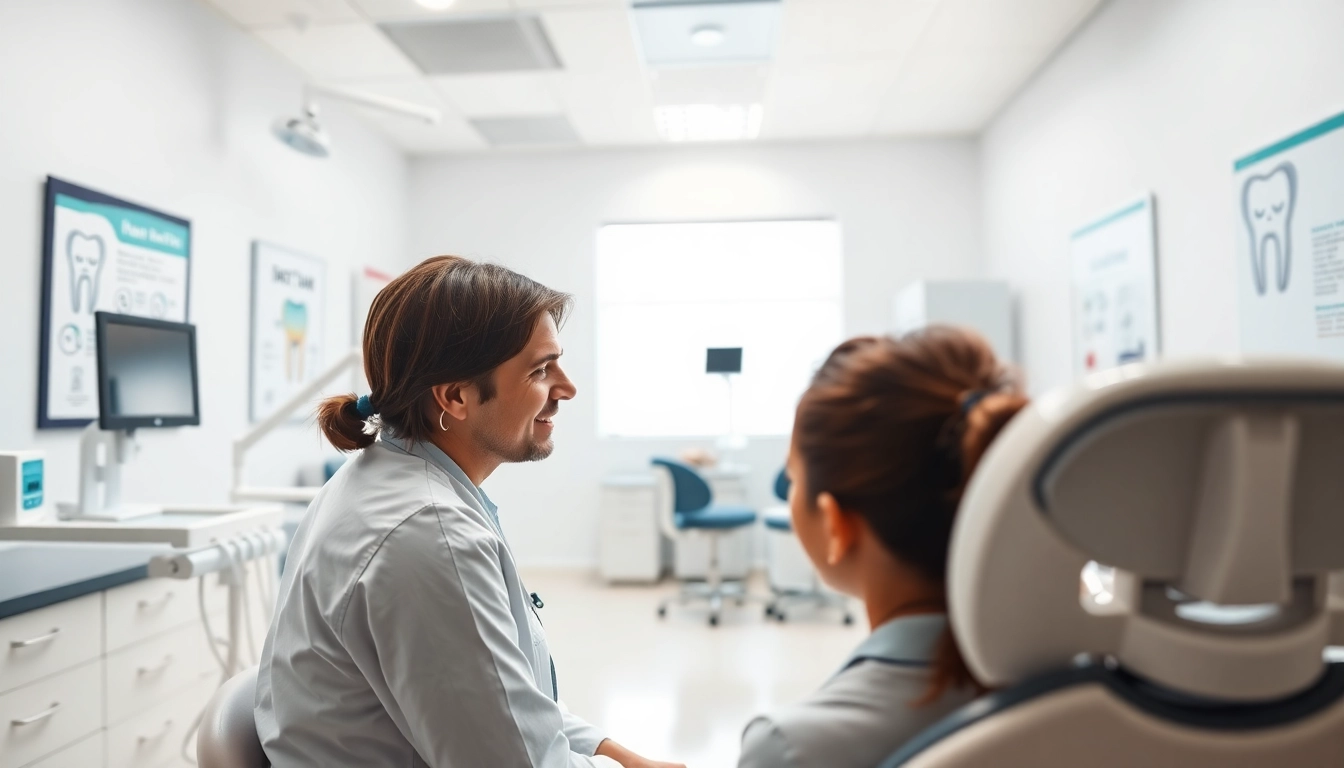
Understanding Orthodontics
What is Orthodontics?
Orthodontics is a specialized branch of dentistry focused on diagnosing, preventing, and treating dental and facial irregularities, primarily through devices known as braces or aligners. It aims to achieve optimal alignment of teeth and jaws, enhancing both aesthetic appearance and functional capacity. Orthodontic treatment is often sought not only for cosmetic reasons but also to improve bite functionality and reduce the risk of tooth decay and gum disease.
Common Orthodontic Issues
Several orthodontic issues can affect your dental health:
- Overbite: This condition occurs when the upper front teeth overlap the lower front teeth, which can cause wear and tear on teeth.
- Underbite: A situation where the lower teeth protrude beyond the upper teeth. It can impact chewing and speech.
- Crossbite: This occurs when the upper teeth bite on the inside of the lower teeth, leading to uneven wear and potential jaw issues.
- Spacing Issues: Gaps between teeth can lead to misalignment, making it more challenging to maintain oral hygiene.
- Misalignment: Teeth that are crowded or crooked can affect overall dental health and personal confidence.
Benefits of Orthodontic Treatment
Orthodontic treatments offer numerous advantages:
- Improved dental appearance, leading to increased self-esteem.
- Enhanced oral hygiene by making it easier to clean teeth.
- Reduced risk of dental problems, such as cavities and gum disease.
- Better bite alignment that improves chewing function and speech.
- Long-term health benefits by preventing excessive wear on teeth and tartar buildup.
Choosing the Right Orthodontist Edmonton
Qualities of a Good Orthodontist
When searching for the right orthodontist in Edmonton, consider the following qualities:
- Credentials: Look for specialists with advanced training and certifications in orthodontics.
- Experience: An orthodontist with years of experience will be more adept at identifying and solving complex cases.
- Technology: Modern treatment methods and equipment can provide more effective and comfortable care.
- Communication: A good orthodontist should explain treatment options clearly and listen to your needs and concerns.
- Reviews: Positive patient testimonials can provide insight into the orthodontist’s proficiency and patient care.
What to Expect During Your First Visit
Your first visit to an orthodontist typically includes a comprehensive examination and a discussion of your dental history. The orthodontist may:
- Conduct a thorough dental examination and diagnostic imaging like X-rays.
- Discuss your goals and concerns relating to orthodontic treatment.
- Formulate a treatment plan tailored to your unique needs and aspirations.
- Review potential options including braces, clear aligners, and their implications.
This initial assessment is crucial as it sets the foundation for an effective treatment plan.
Technology and Treatments to Look For
When evaluating orthodontic care, consider clinics that utilize advanced technology and a diversity of treatment options:
- 3D Imaging: Offers precise diagnostics and enhances treatment planning.
- Digital Impressions: These improve comfort in capturing tooth impressions compared to traditional methods.
- Invisalign: A popular option for those wanting a discreet alternative to traditional braces.
- Self-Ligating Braces: They reduce friction, which can lead to shorter treatment times.
Types of Orthodontic Treatments
Braces: Traditional vs. Clear
Braces remain one of the most common orthodontic treatments. There are two primary types:
- Traditional Braces: Comprised of metal brackets and wires, they are effective for severe misalignments and can be paired with colored elastics for a personalized look.
- Clear Braces: These utilize tooth-colored materials that blend with the natural teeth, making them less noticeable. They offer similar effectiveness for many cases.
Invisalign: An Overview
Invisalign utilizes a series of clear, removable aligners that gradually shift teeth into their desired positions. Some benefits include:
- Nearly invisible, making them a popular choice for adults and teenagers.
- Removable for easy cleaning — maintaining oral hygiene is simpler.
- Custom-fit aligners designed from precise digital models of your teeth.
However, they require discipline to wear for the recommended 20-22 hours daily for optimal results.
Surgical Options for Severe Cases
In some instances where severe misalignments occur or jaw discrepancies are present, surgical intervention may be necessary. Surgical orthodontics involves orthodontic treatment combined with corrective jaw surgery. Some considerations include:
- It’s often used for conditions such as jaw deformities, significant overbites, and underbites.
- Collaboration between orthodontists and oral surgeons is essential for comprehensive treatment.
- Patients may require lengthy recovery times post-surgery, but the results often yield significant improvements in function and appearance.
Costs and Financial Considerations
Understanding the Costs of Treatment
The cost of orthodontic treatment can vary significantly based on several factors, including:
- Type of Treatment: Traditional braces are typically less expensive than clear aligners.
- Length of Treatment: More complex cases may require longer treatment durations, thus increasing costs.
- Location: Prices can fluctuate based on the location of the practice and its overhead costs.
- On average, braces in Edmonton range from $3,000 to $10,000, depending on the complexity of the case.
Insurance and Payment Plans
Many dental insurance plans cover a portion of orthodontic treatment; however, coverage details can vary greatly. It’s advisable to:
- Review your insurance policy for specifics on orthodontic benefits.
- Ask the orthodontist if they offer affordable financing options or payment plans, allowing manageable monthly payments.
Understanding these financial aspects early on can alleviate stress and make access to orthodontic care more attainable.
Frequently Asked Questions about Costs
How much do braces cost in Edmonton?
The average cost ranges from $3,000 to $10,000, greatly reflecting the treatment type and length.
Is $6000 too much for braces?
This amount is within the typical range, as comprehensive treatments usually cost between $3,000-$10,000.
Do insurance plans cover orthodontic treatment?
Many plans offer coverage for orthodontics. Review your specifics and consult your provider for details.
What are the payment options available?
Patients often have access to flexible payment plans offered by orthodontists, allowing for manageable monthly payments.
Can orthodontists treat sleep apnea?
Yes, orthodontic devices can sometimes alleviate obstructive sleep apnea through jaw repositioning and airway expansion.
Maintaining Oral Health During Treatment
Daily Care for Braces and Aligners
Maintaining oral hygiene during orthodontic treatment is crucial. Here are some tips:
- Brush teeth at least twice daily using a fluoride toothpaste.
- Floss daily to prevent plaque buildup between teeth and around braces.
- Consider using a water flosser for hard-to-reach areas.
Dietary Adjustments
Certain foods can damage braces or make dental hygiene more challenging. Avoid:
- Sticky foods like caramel or taffy that can tug at braces.
- Hard foods such as nuts or hard candies that can break brackets.
- Take care with popcorn kernels and ice to preserve the integrity of your orthodontic devices.
Post-Treatment Care for Lasting Results
Post-treatment care typically includes:
- Wearing a retainer as prescribed to maintain teeth alignment.
- Regular follow-up appointments to ensure teeth remain in the correct position.
- Continued good oral hygiene practices to support long-term oral health.
Contact Information
Call Us: +1 587-906-1985
Email: [email protected]
Address: 12420 167 Avenue NW, Edmonton, AB, Canada, T5X 0K4