Impulse control dog training is one of the most important foundations of a well-behaved and emotionally balanced dog. Without it, even the most intelligent breeds can struggle with jumping, barking, leash pulling, or reacting too quickly to distractions. With proper structure and consistency, dogs learn to pause, think, and respond calmly instead of acting on instinct.
For owners looking to improve obedience and everyday behavior, impulse control dog training provides a practical framework that strengthens communication and trust between dogs and humans. This guide explores how to build reliable self-control in dogs using proven, ethical training methods that align with modern behavior science and real-world application.
- Why Impulse Control Dog Training Matters
- The Core Principles of Impulse Control Dog Training
- Foundational Exercises for Impulse Control
- Common Mistakes in Impulse Control Dog Training
- How Professional Guidance Improves Results
- Building Real-World Impulse Control
- The Role of Emotional Regulation in Dog Behavior
- Advanced Impulse Control Techniques
- How Long Does Impulse Control Training Take?
- Why Impulse Control Training Improves the Human-Dog Bond
- Final Thoughts on Impulse Control Dog Training
Why Impulse Control Dog Training Matters
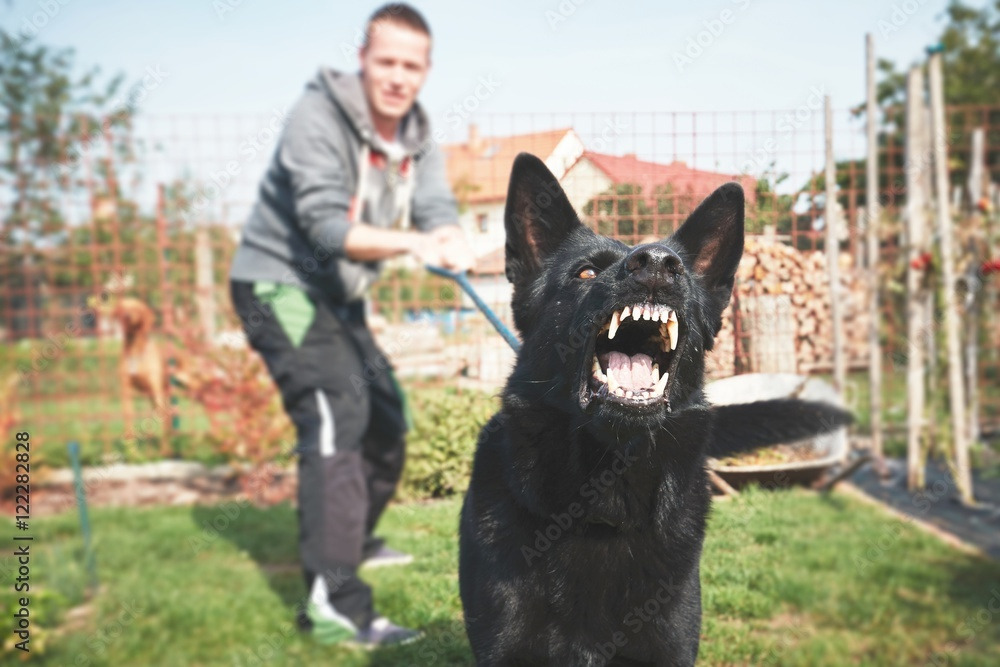
Impulse control is the ability of a dog to resist immediate reactions in favor of a learned response. This skill impacts nearly every aspect of behavior, including walking calmly on a leash, greeting guests politely, and waiting for food or toys.
Dogs lacking impulse control often show:
- Jumping on people during excitement
- Excessive barking at stimuli
- Snatching food or objects
- Poor leash manners
- Reactivity toward other dogs or animals
Improving impulse control is not about suppressing a dog’s personality it’s about teaching structure. Dogs feel more secure when they understand expectations, and consistent training reduces anxiety-driven behaviors.
The Core Principles of Impulse Control Dog Training
Effective impulse control dog training is built on a few essential principles that shape how dogs learn and retain behavior patterns over time.
1. Consistency in Communication
Dogs learn through repetition and clarity. If rules change frequently, confusion replaces learning. Consistency in cues, rewards, and boundaries ensures faster progress.
2. Delayed Gratification
Teaching a dog to wait for rewards is central to impulse control. This builds patience and reduces impulsive reactions in real-life situations.
3. Structured Rewards
Rewards should reinforce calm behavior, not excitement or chaos. Timing is critical rewarding a dog in a calm state strengthens self-control.
4. Environmental Management
Reducing overwhelming stimuli early in training helps dogs succeed. Gradual exposure builds resilience without triggering uncontrolled reactions.
Foundational Exercises for Impulse Control
Training impulse control starts with simple exercises that progressively build difficulty. These foundational behaviors create the structure for advanced obedience.
“Wait” Command
The “wait” command teaches a dog to pause before moving forward.
Steps:
- Ask the dog to sit.
- Hold your hand out as a stop signal.
- Say “wait” and pause for 2–3 seconds.
- Reward calm behavior before releasing.
Increase duration gradually to strengthen patience.
“Leave It” Training
This prevents dogs from grabbing or fixating on unwanted objects.
Steps:
- Place a treat on the ground.
- Cover it with your hand.
- Say “leave it.”
- Reward when the dog looks away or disengages.
Door Control Practice
Dogs often rush through doors due to excitement. This exercise builds self-control in high-energy moments.
Steps:
- Ask the dog to sit before opening a door
- Only open when the dog remains calm
- Close the door if the dog breaks position
- Repeat until calm behavior becomes automatic
Common Mistakes in Impulse Control Dog Training
Even well-intentioned owners can unintentionally slow progress. Avoiding these mistakes leads to more consistent results.
Inconsistent Reinforcement
Rewarding impulsive behavior sometimes and ignoring it other times confuses the dog and delays learning.
Overuse of Verbal Commands
Repeating commands without follow-through reduces their meaning. One clear cue is more effective than multiple repetitions.
Training Only in Calm Environments
Dogs must learn to generalize behavior across different environments. Gradual exposure to distractions is essential.
Punishment-Based Methods
Harsh corrections can increase anxiety and reduce trust. Modern training emphasizes positive reinforcement and redirection.
How Professional Guidance Improves Results
While many owners begin training at home, structured guidance from professionals can significantly accelerate progress. Trainers help identify behavioral triggers, adjust techniques, and ensure consistency across environments.
Working with experienced programs such as Rob’s Dog Training provides dog owners with tailored strategies for impulse control dog training. Professional oversight helps bridge the gap between basic obedience and reliable real-world behavior.
Building Real-World Impulse Control
Training should extend beyond structured sessions. Dogs need to practice impulse control in daily life situations to develop long-term reliability.
During Walks
- Pause before crossing streets
- Practice “sit” at intersections
- Reward calm behavior around distractions
Around Food
- Ask for a “wait” before feeding
- Require eye contact before releasing meals
- Prevent table begging through consistent boundaries
With Visitors
- Keep dogs on leash initially
- Reward calm greetings
- Ignore jumping behavior to remove reinforcement
The Role of Emotional Regulation in Dog Behavior
Impulse control is closely tied to emotional regulation. Dogs that become overly excited or anxious often struggle to make calm decisions. Training helps dogs recognize emotional states and respond appropriately.
Key emotional indicators include:
- Overexcitement (jumping, barking)
- Frustration (whining, pacing)
- Anxiety (shaking, avoidance)
Teaching dogs to settle in these moments improves long-term stability and responsiveness.
Advanced Impulse Control Techniques
Once foundational skills are established, owners can introduce more advanced challenges to strengthen behavior reliability.
Distance Training
Gradually increasing distance while maintaining commands improves focus and independence.
Duration Training
Extending the time a dog holds a position builds patience and mental endurance.
Distraction Training
Introducing controlled distractions such as toys, food, or movement helps dogs maintain focus under pressure.
How Long Does Impulse Control Training Take?
Progress varies depending on breed, age, temperament, and consistency. Most dogs show noticeable improvement within 3–6 weeks of consistent practice, while advanced reliability may take several months.
Key factors that influence progress:
- Training frequency
- Reinforcement quality
- Environmental distractions
- Dog’s prior learning history
Consistency is more important than intensity. Short daily sessions often outperform occasional long sessions.
Why Impulse Control Training Improves the Human-Dog Bond
Impulse control training does more than correct behavior it strengthens communication. Dogs begin to understand expectations clearly, which reduces frustration on both sides.
Owners benefit from:
- Easier daily management
- Reduced stress during walks or visits
- Improved safety in public environments
- Stronger trust and cooperation
Dogs benefit from:
- Clear structure and expectations
- Reduced anxiety from confusion
- Predictable outcomes
- Greater freedom through reliability
Final Thoughts on Impulse Control Dog Training
Impulse control dog training is a long-term investment in a dog’s behavior, confidence, and overall quality of life. By focusing on structured exercises, consistent reinforcement, and real-world application, owners can build reliable obedience that lasts.
Whether working independently or with professional support from Rob’s Dog Training, the key is patience and repetition. Small daily improvements compound into lasting behavioral change, creating a calmer, more responsive companion in any environment.