
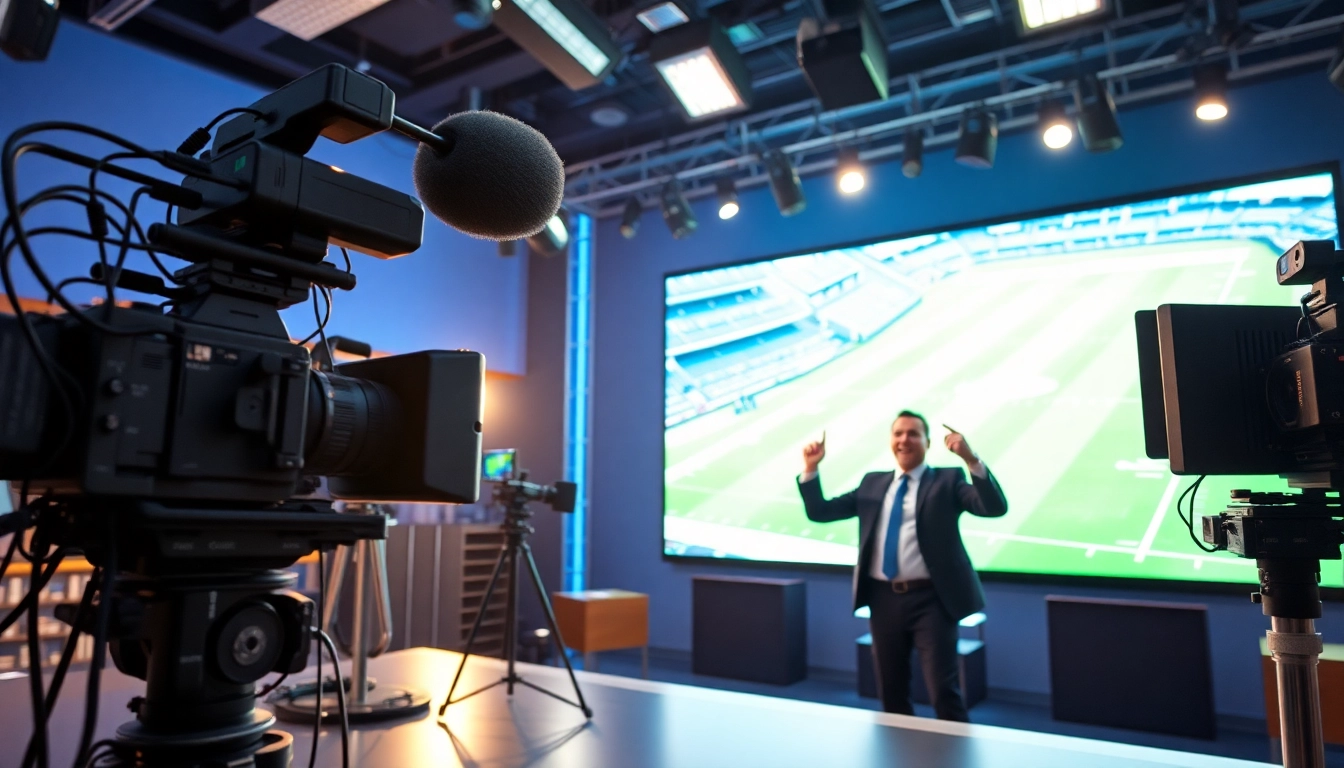
Understanding the Basics of Sports Broadcasting
What is Sports Broadcasting?
Sports broadcasting refers to the live transmission of sporting events through television, radio, and online platforms. This sector encompasses various formats, including play-by-play commentary, analysis, and graphical presentations that enhance viewer engagement. The primary goal is to deliver real-time updates, analysis, and entertainment to audiences worldwide. In a digital age where viewers demand instant access to content, Sports Broadcasting has evolved significantly, adapting to audience preferences and technological advancements.
History and Evolution of Sports Broadcasting
The roots of sports broadcasting can be traced back to the early 20th century, with radio broadcasts of major events capturing the nation’s attention. The first live televised sports event occurred in 1936 during the Berlin Olympics, marking a pivotal moment that transformed how fans engage with sports. Over the decades, advancements in technology have allowed for more sophisticated coverage, including color broadcasting in the 1960s and the introduction of cable sports networks in the 1970s. Today, the rise of streaming services and social media platforms continues to reshape how content is distributed, offering viewers unprecedented access to multiple angles and in-depth analysis.
Key Roles in Sports Broadcasting
Sports broadcasting involves a range of professionals with specialized roles. Commentators and analysts provide live commentary and insights during games, enhancing the viewer’s understanding and enjoyment. Producers and directors oversee the broadcast’s technical and creative aspects, ensuring seamless transitions and optimal viewing experiences. Technical staff, including camera operators and audio engineers, play crucial roles in capturing the action and delivering high-quality content. Each of these positions contributes to creating engaging broadcasts that keep viewers glued to their screens.
Essential Equipment for Sports Broadcasting
Types of Cameras Used in Sports Broadcasting
High-definition (HD) cameras are a staple in sports broadcasting due to their ability to capture sharp images and details from various angles. It is common to utilize multiple camera types, including fixed cameras for wide shots and handheld cameras for dynamic close-ups. Moreover, specialty cameras, such as slow-motion, high-speed, and drone cameras, are increasingly utilized to provide unique perspectives and enhanced storytelling about the events.
Audio Equipment: Microphones and Headsets
Quality audio equipment is essential for clear communication and enhancing viewer engagement during broadcasts. Microphones, whether handheld or lavalier, capture the commentary and ambient sounds from the venue, immersing viewers in the atmosphere of the event. Headsets allow commentators to communicate with production staff, ensuring synchronized commentary and quick updates during the broadcast.
Broadcasting Software and Technology
The integration of advanced broadcasting software and technology is crucial for a modern broadcasting experience. Software solutions, including graphics systems and automations, streamline the production process, enabling real-time updates and viewer interaction through social media. Technologies like augmented reality (AR) and virtual reality (VR) are being explored to offer immersive experiences, enhancing the way audiences connect with live sports.
Techniques and Styles in Sports Broadcasting
Commentary Styles: Play-by-Play vs. Color Commentary
Commentary in sports broadcasting often involves two main styles: play-by-play and color commentary. The play-by-play commentator provides real-time descriptions of the action, keeping viewers informed about fast-paced game developments. In contrast, color commentators offer analysis and insights, discussing strategies and player performances. This combination enriches the viewing experience, as audiences benefit from both immediate updates and expert evaluations.
Visual Storytelling Through Sports Broadcasting
Visual storytelling is a potent technique in sports broadcasting that utilizes graphics, replays, and on-screen statistics to engage and inform viewers. Using visual elements effectively can enhance the narrative of the game, offering context about players and critical moments that shape the event. This technique transforms a simple sports event into a compelling story, making the broadcast more enjoyable for fans.
Engaging the Audience in Sports Broadcasting
Engagement is crucial in sports broadcasting; broadcasters can utilize social media to connect with fans in real-time during the event. Encouraging viewers to tweet, comment, or share their thoughts creates an interactive atmosphere, making audiences feel part of the experience. Additionally, providing polls and live feedback can further personalize the experience, cultivating a loyal viewership.
Challenges in Sports Broadcasting
Navigating Live Broadcast Scenarios
Live broadcasting comes with inherent challenges, including dealing with unexpected events like technical glitches, weather changes, or player injuries. Professionals must remain adaptable and maintain composure to deliver consistent coverage. Having a robust contingency plan and a capable support team is critical for overcoming unexpected disruptions during a broadcast.
Dealing with Unexpected Situations
From sudden delays to controversial moments like player altercations, unforeseen situations can arise during broadcasts. Broadcasters need to be prepared to handle these contingencies, often relying on quick thinking and effective communication skills to maintain the broadcast’s flow. Real-time updates and audience engagement strategies can mitigate negative impacts, turning potential drawbacks into opportunities for deeper analysis and discussion.
Ethical Considerations in Sports Broadcasting
Ethics play a significant role in sports broadcasting, particularly given the influence broadcasters can have on public perception. Maintaining objectivity while providing commentary is essential to foster fair and accurate sports coverage. Broadcasters should also consider the implications of revealing sensitive information, emphasizing respect for players, teams, and the audience. Upholding ethical standards is crucial to maintain credibility and trustworthiness.
Measuring Success in Sports Broadcasting
Key Performance Indicators for Sports Broadcasting
Success in sports broadcasting can be measured through various key performance indicators (KPIs), including viewer ratings, audience retention rates, and revenue generated from advertisements. These metrics provide insights into the effectiveness of programming and content delivery, allowing broadcasters to refine their strategies and improve overall performance. Analyzing these indicators is essential for staying competitive in the fast-evolving sports media landscape.
Audience Engagement Metrics
Audience engagement metrics, such as social media interactions, viewer feedback, and participation in polls and contests, are vital for assessing the impact of a broadcast. High engagement levels indicate that the content resonates with viewers, while lower engagement may signal the need for adjustments. Monitoring these metrics allows broadcasters to adapt their approaches to align with audience preferences, enhancing overall satisfaction and loyalty.
Improving Broadcast Quality Over Time
Continuous improvement is essential in sports broadcasting. By analyzing feedback, reviewing broadcast recordings, and adopting emerging technologies, broadcasters can enhance their offerings. Regular training and skill development for staff can elevate broadcast quality, ensuring they remain at the forefront of the industry. Adaptability and innovation will drive the future success of sports broadcasting.
Frequently Asked Questions
What skills are essential for a sports broadcaster?
Essential skills include excellent communication, quick thinking, strong knowledge of the sport, and the ability to engage an audience. Technical skills related to broadcasting equipment and software are also important.
How does technology impact sports broadcasting?
Technology enhances viewer experience through high-definition visuals, real-time statistics, and interactive features. Innovations like VR and AR are revolutionizing how audiences engage with live events.
What are the key challenges in live sports broadcasting?
Challenges include managing technical issues, handling unexpected events, and maintaining viewer engagement. Broadcasters must be adaptable and prepared for any scenario that arises during live coverage.
How can audience engagement be improved in broadcasts?
Engagement can be improved through social media interaction, live polls, and viewer feedback. Personalizing content and encouraging fan participation creates a more immersive experience.
What role do advertisers play in sports broadcasting?
Advertisers drive revenue and influence broadcast content. Advertising partnerships can enhance programming while providing financial backing essential for quality production.