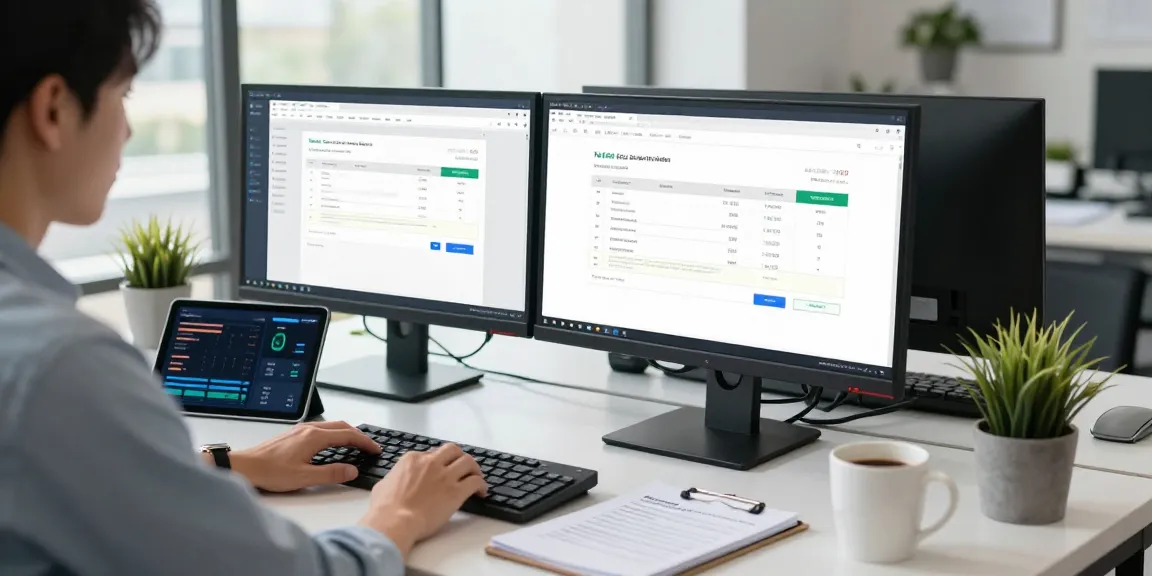
Understanding Invoice Fraud
In an increasingly digital world, the threat of invoice fraud looms larger than ever. Businesses, both large and small, face significant risks from fraudulent invoicing practices that can lead to substantial financial losses. Invoice fraud can manifest in various forms, from simple forgery to sophisticated scams involving counterfeit documents. It’s vital for organizations to educate themselves about the nuances of invoice fraud, develop robust verification processes, and utilize advanced technologies to mitigate risks. To effectively protect your business, understanding how to detect fake invoice schemes is essential.
What is Invoice Fraud?
Invoice fraud occurs when deceptive or manipulated invoices are generated to extract money from businesses unlawfully. This type of fraud can involve various tactics, including sending phony invoices for services not rendered, changing payment information associated with legitimate vendors, or creating entirely fictitious companies. In recent years, the rapid advancement of technology has facilitated the increase in these fraudulent activities, making it crucial for businesses to remain vigilant.
Common Techniques Used to Detect Fake Invoices
Detecting fake invoices requires a keen eye for detail and an understanding of common red flags. Some effective techniques include:
- Verification of Vendor Information: Always cross-check the vendor details against known databases or previous invoices.
- Reviewing Payment Patterns: Look for discrepancies in payment terms, amounts, and frequency.
- Utilizing AI Technology: Advanced software can analyze patterns in invoice submissions, flagging irregularities based on historical data.
The Impact of Ignoring Invoice Verification
Failing to verify invoices can lead to severe financial repercussions. Companies may face direct monetary losses, damage to their reputation, and potential legal issues stemming from inadvertent payments to fraudulent entities. Moreover, the operational costs associated with investigating and rectifying such incidents can strain resources, further detracting from productivity.
Identifying Red Flags
Recognizing the signs of a fake invoice is a crucial component of fraud prevention. By becoming familiar with typical indicators of manipulation, businesses can take proactive measures to protect themselves.
Key Signs of a Fake Invoice
Several key signs can indicate that an invoice is fraudulent:
- Mismatch of Vendor Information: An inconsistency in the vendor’s name, address, or contact information should raise suspicions.
- Poor Grammar and Formatting: Authentic invoices typically adhere to professional standards, while fake ones may contain typographical errors or inconsistent formatting.
- Unusual Payment Requests: Requests for immediate payment or changes to banking details should be thoroughly investigated.
Behavioral Patterns of Fraudulent Vendors
Understanding the behavioral patterns of fraudulent vendors can enhance detection efforts. These scammers often:
- Pressure businesses to make quick payments.
- Use fake emails that closely mimic legitimate ones, including misleading domain names.
- Frequently change their company names or banking details to escape detection.
Comparing Legitimate vs. Fake Invoices
It’s beneficial to have a comparison template that juxtaposes legitimate invoices against fake ones. Businesses should look for:
- Invoice numbers that follow a consistent pattern vs. random sequences in fraud cases.
- Standardized logos and branding elements vs. poorly designed or blurry elements.
- Clear and recognizable payment terms vs. vague or unprofessional language.
Strategies for Verification
Implementing effective verification strategies is essential for reducing the risk of invoice fraud. Businesses can adopt a systematic approach to ensure that all invoices undergo rigorous scrutiny.
Using AI Technology to Detect Fake Invoices
AI technology represents a significant advancement in invoice verification. Solutions powered by AI can automate the detection process by:
- Cross-referencing invoices with historical data for inconsistencies.
- Employing machine learning algorithms to learn and adapt to new fraud tactics.
- Providing real-time alerts to accounting departments when anomalies are detected.
Building a Robust Verification Process
Establishing a solid verification process involves multiple layers of checks:
- Implementing multi-level approvals for invoices over a certain threshold.
- Regular training for staff on recognizing and reporting suspicious invoices.
- Utilizing third-party verification services for high-value transactions.
Best Practices for Invoice Inspection
Adopting best practices can significantly enhance your invoice inspection process:
- Maintain a clear audit trail of all invoices received and processed.
- Encourage a culture of skepticism where employees are trained to question anomalies.
- Regularly review and update your verification protocols to adapt to emerging threats.
Implementing Effective Solutions
To combat invoice fraud effectively, organizations must implement comprehensive solutions that address the vulnerability of their financial systems.
Utilizing Software Tools for Invoice Verification
There are a variety of software tools available specifically designed to assist in invoice verification. These tools offer functionalities such as:
- Optical Character Recognition (OCR) to capture and analyze invoice data automatically.
- Integration with existing accounting systems to streamline processing.
- Alerts for suspicious activity based on predefined criteria.
Employee Training on Invoice Fraud Detection
Employees play a critical role in preventing invoice fraud. Regular training sessions can empower them with the knowledge to identify red flags effectively. Training should focus on:
- Real-world case studies that highlight common fraud schemes.
- Step-by-step procedures for verifying invoice authenticity.
- Encouraging an open environment for reporting suspicions without fear of repercussion.
Creating a Culture of Awareness in Organizations
Fostering a culture of awareness around invoice fraud can significantly deter attempts at deception. Encourage employees to:
- Share experiences with fraudulent invoices.
- Participate in regular discussions about security practices.
- Understand the importance of their role in protecting the organization’s financial integrity.
The Future of Invoice Security
With the financial landscape constantly evolving, the future of invoice security is poised to incorporate even more advanced technologies and methodologies to combat fraud effectively.
Trends in Invoice Fraud Technology for 2026
As we move into 2026, emerging trends in invoice fraud technology include:
- Increased use of blockchain technology to ensure authenticity and traceability.
- Enhanced machine learning algorithms that adapt to new fraudulent tactics in real-time.
- Greater emphasis on collaboration between businesses to share intelligence on fraud attempts.
Anticipating New Techniques in Invoice Scams
As businesses develop more sophisticated detection methods, fraudsters are likely to innovate their tactics. Anticipating these changes could involve:
- Investing in advanced analytics to spot emerging fraud patterns.
- Collaborating with law enforcement to stay informed about the latest scams.
- Developing proactive communication strategies with vendors to verify changes in payment processes.
Case Studies on Successful Invoice Fraud Prevention
Real-world case studies illustrate the effectiveness of robust invoice verification systems. Highlighted examples include:
- A company that implemented AI-driven invoice checks and reduced fraud cases by 80% within a year.
- Another organization that successfully trained its finance team on recognizing fraudulent patterns, leading to a dramatic decline in suspicious invoices.
What are the most common signs of a fake invoice?
Common indicators of a fake invoice include poor grammar, mismatched vendor details, and unusual payment requests.
How can AI help in detecting fake invoices?
AI can analyze historical invoice data, detect patterns, and provide alerts for anomalies that may indicate fraud.
What should I do if I suspect an invoice is fake?
If you suspect an invoice is fake, verify the details with the vendor, cross-check against previous invoices, and flag it for further investigation.
Are there specific industries more prone to invoice fraud?
Industries with less stringent controls and high transaction volumes, such as construction and hospitality, are often more susceptible to invoice fraud.
What are the long-term impacts of invoice fraud on businesses?
Long-term impacts can include significant financial losses, tarnished reputations, and strained vendor relationships, leading to reduced operational efficiency.