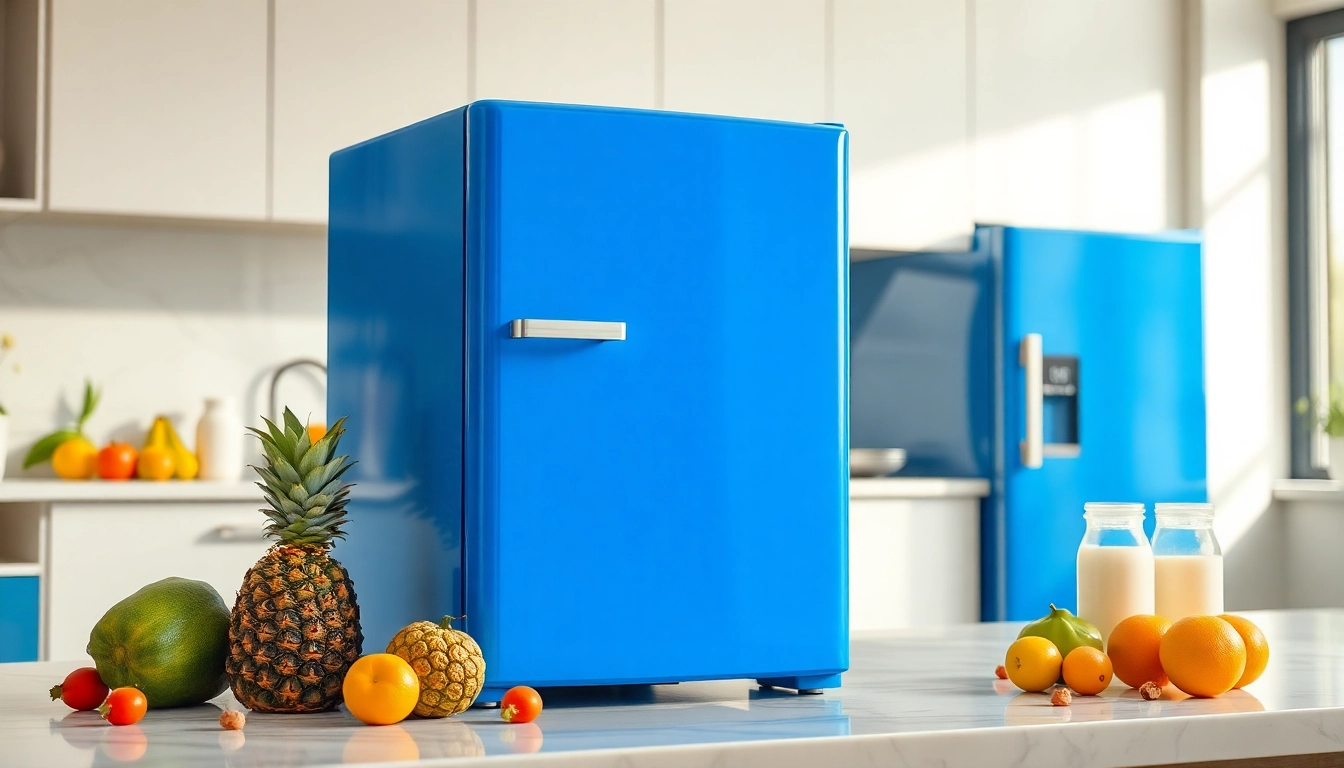
Understanding the Affordable Mini Fridge and Freezer
In today’s fast-paced world, having a reliable and functional appliance is crucial, especially in compact living spaces. An affordable mini fridge and freezer combines convenience with efficiency, offering more than just cold storage—it simplifies daily life. But what exactly makes these appliances so sought after? Let’s explore the essential elements that define an affordable mini fridge and freezer.
What Makes a Mini Fridge Affordable?
When dissecting what makes a mini fridge affordable, several factors come into play. Firstly, cost efficiency is paramount. An affordable mini fridge typically falls within a price range accessible to a broader audience without sacrificing quality. Manufacturers often strike a balance between performance and materials, prioritizing economically viable solutions.
Moreover, the affordability of a mini fridge often equates to lower maintenance costs. Many models are designed to maximize longevity and efficiency, resulting in reduced energy bills and fewer repairs. With brands competing to provide budget-friendly options, consumers can find models that not only fit their financial needs but also offer great value.
Key Features to Look For
When selecting an affordable mini fridge and freezer, it’s essential to evaluate several key features that contribute to its functionality and usability. One of these features is adjustable shelving; it permits flexibility in food storage and organization, accommodating various items—from drinks to snacks.
Additionally, energy efficiency ratings are vital. Look for models certified by Energy Star, indicating that they meet energy efficiency guidelines set by the U.S. Environmental Protection Agency. These fridges consume less electricity, saving money in the long run and reducing environmental impact.
Moreover, consider features such as temperature control settings, which allow users to optimize storage conditions depending on their needs. Interior lighting can also enhance visibility, making it easier to locate items quickly. Lastly, the design should be aesthetically pleasing, even in small spaces, as this enhances the overall appeal of your living area.
Energy Efficiency Benefits
Energy efficiency is a significant consideration when investing in an affordable mini fridge and freezer. These units are engineered to consume less energy compared to their larger counterparts. This not only translates to lower energy costs but also reflects a commitment to sustainability.
Using energy-efficient appliances can significantly reduce one’s carbon footprint, making it an environmentally friendly choice. Over time, the cumulative savings from reduced energy consumption can amount to substantial financial benefits. Additionally, many localities offer incentives for using energy-efficient models, further enhancing the financial rationale for selecting an affordable mini fridge.
Choosing the Right Size for Your Needs
Dimensions play a crucial role in the selection of an affordable mini fridge and freezer. The right size will not only fit well in your space but will also cater to your storage needs efficiently. Here are some considerations to help choose the best fitting model for your circumstance.
Compact Options for Small Spaces
For those living in tight quarters, compact mini fridges are an essential solution. These models can seamlessly fit into small kitchens, dorm rooms, or studios, maximizing available square footage. Their compact nature does not compromise functionality; many units provide ample space for daily essentials while maintaining a small footprint.
When selecting a compact option, ensure it has enough capacity to hold your typical groceries and beverages. Look for designs that utilize vertical space effectively, featuring multiple shelves and door compartments that enhance storage capabilities.
Capacity and Storage Solutions
Understanding capacity is vital when choosing an affordable mini fridge and freezer. Generally measured in cubic feet, the capacity determines how much food and drink can be stored. For individuals or students, a refrigerator between 3 to 5 cubic feet may suffice. In contrast, families or those requiring more storage might consider larger options.
Effective storage solutions include adjustable shelving, containers for organization, and specialized compartments for items like eggs or taller bottles. Evaluating how you’ll use the space will help in selecting a model that fits your lifestyle seamlessly.
Room Layout Considerations
The layout of the room affects where a mini fridge can be placed optimally. A kitchen corner might be ideal, but it must also allow for easy access and ventilation. Assessing the traffic flow and proximity to outlets helps ensure the fridge is both functional and convenient.
In a bedroom, place it in an easily accessible spot, ideally on a sturdy piece of furniture. In an office, consider something that complements the desk setup while providing essential refreshment within arm’s reach. Assessing the room layout ensures the mini fridge’s integration enhances both functionality and aesthetic value.
Where to Place Your Affordable Mini Fridge and Freezer
Placement is critical for maximizing the efficiency and accessibility of your affordable mini fridge and freezer. Choosing the right location can significantly affect performance and overall satisfaction.
Kitchen Placement Tips
In the kitchen, the mini fridge should be located within the primary working triangle, which includes the stove and sink. This layout allows for better workflow during food preparation and minimizes unnecessary movement. Moreover, placing the fridge near a power source while ensuring adequate airflow around it will enhance its efficiency.
Consider the distance from the main fridge if you have one; you want to make sure the mini fridge serves as a convenient extension for quick snacks or beverages without overcrowding the space.
Benefits of a Bedroom Setup
Setting up a mini fridge in the bedroom can be highly beneficial, especially for individuals who enjoy late-night snacks or beverages. This setup provides easy access to refreshments without needing to venture to the kitchen at inconvenient hours.
However, consider the size and noise level of the fridge. Many higher-end models operate quietly, minimalizing disturbances. Ensure it’s placed on a stable surface and away from direct sunlight to maintain optimal food storage temperatures.
Using a Mini Fridge in a Home Office
Integrating a mini fridge into a home office setup is a practical choice for professionals who work long hours. It allows for quick access to water, snacks, or lunch items without leaving the workspace. This arrangement can enhance productivity, keeping you focused and less distracted by hunger or thirst.
Position the fridge within arm’s reach of your desk, ensuring it does not create clutter. Aesthetically pleasing options can also enhance the office’s decor while serving a functional purpose.
Maintaining Your Mini Fridge and Freezer
Regular maintenance keeps your affordable mini fridge and freezer running smoothly and extends its lifespan. Simple upkeep practices can prevent issues that may arise from neglect.
Regular Cleaning Techniques
Cleaning your mini fridge is essential for hygiene and performance. Begin by emptying the fridge and discarding expired items. Once emptied, wipe down shelves with a mild detergent and water, paying attention to hard-to-reach corners. Ensure that the door seals are clean to maintain efficiency.
Consider using baking soda in a bowl for odor neutralization; its gentle abrasiveness can also help in scrubbing tough spots without damaging surfaces.
Checking Temperature Settings
Maintaining optimal temperature settings is crucial for preserving food freshness. Generally, the refrigerator should be set between 35°F to 38°F, while the freezer should be around 0°F. Regularly check these settings to ensure they are accurate, as fluctuation can affect food quality.
Investing in an appliance thermometer can help monitor the internal temperatures effectively, ensuring you catch any issues before they affect your food storage.
Signs of Repair Needs
Being aware of your mini fridge’s functionality can prevent minor issues from escalating. Listen for unusual sounds such as buzzing or clicking, which can indicate problems with the compressor or fan. Additionally, monitor for improper cooling; if items aren’t staying cold, it may require adjustments or repair.
Other signs include condensation on the outside or a constantly running compressor, which can signal inefficiency. Should you notice any of these symptoms, it’s wise to consult with a technician for repair advice to maintain optimal performance.
FAQs: Addressing Common Concerns
How much energy does a mini fridge use?
A mini fridge typically uses between 100 to 400 kilowatt-hours per year, depending on size and efficiency. Energy-efficient models consume less power, potentially saving you money on electricity bills.
What storage options do mini fridges offer?
Mini fridges usually have adjustable shelves, door bins, and designated compartments for specific items like eggs or bottles. Their configurations allow for versatile and efficient food storage.
Can mini fridges be used outdoors?
While some models are designed for outdoor use, most mini fridges work best in indoor environments. Outdoor usage can affect performance due to temperature fluctuations and exposure to humidity.
Are mini fridges noisy?
Noise levels vary by model, with many contemporary mini fridges engineered to operate quietly. Higher-end models typically have enhanced insulation and reduced operational noise.
What should I store in a mini fridge?
Mini fridges are perfect for storing beverages, snacks, leftovers, and smaller food items. They provide convenient access while keeping essentials fresh without overcrowding your main fridge.